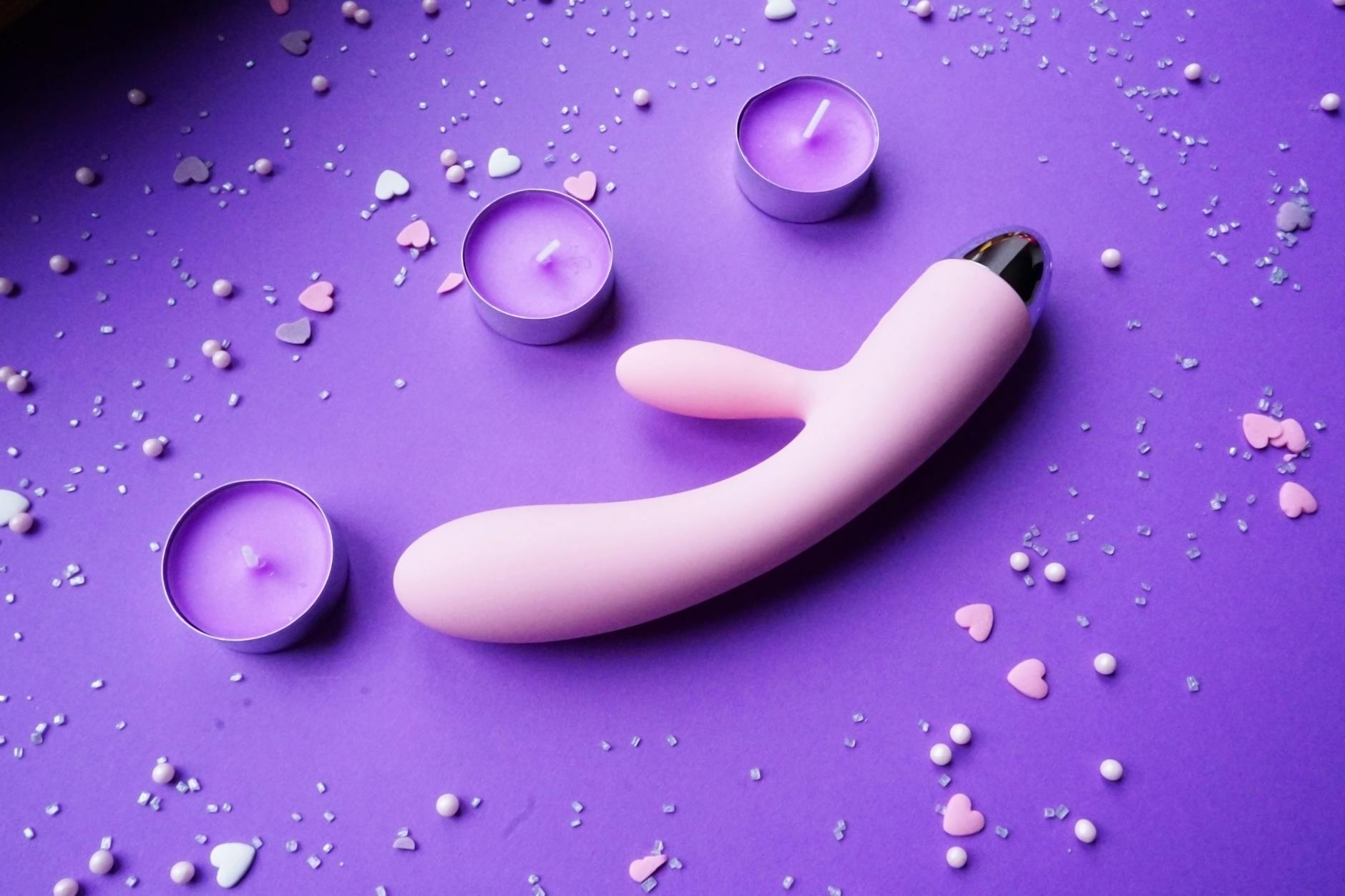
How Lemon Vibrators Change After Menopause (And Why They Work Better)
Let's be real. Nobody tells you that menopause doesn't end your sex life. It remixes it. And one of the biggest plot twists is that many people discover their most reliable, most satisfying pleasure comes from tools that work with their post-menopausal anatomy, not against it.
Clitoral vibrators like the Lem aren't a workaround for aging bodies. They're often a significant upgrade from what came before.
Why your body responds differently to pleasure tools after menopause
Estrogen drops. Tissue thins. The clitoris itself doesn't shrink, but the surrounding area becomes more delicate. Lubrication changes. Arousal takes longer to build. Blood flow patterns shift slightly.
Sounds like a downgrade, right? It's not. It's a recalibration.
The problem is that traditional vibrators were designed for younger, estrogen-rich tissue. They rely on direct friction and assume a certain thickness and resilience that post-menopausal bodies no longer have. Many women report that the same toy they loved at 35 feels uncomfortable or irritating at 55. It's not a sign that their body is broken. It's a sign that the tool doesn't match the anatomy anymore.
This is where suction-based clitoral vibrators change everything.
How suction works differently than friction
Traditional vibrators wobble or rotate against the clitoral tissue. Suction vibrators, like the Lem, create a gentle seal and pulse. The stimulation happens through rhythmic pressure changes, not friction.
Think of it this way. Friction requires tissue that can handle repeated pressure. Suction works by engaging the tissue without the same mechanical stress.
For post-menopausal bodies, this matters enormously. Suction vibrators:
- Don't require the same thickness of tissue to feel good
- Won't cause irritation or micro-tears from repeated friction
- Often feel less intense initially but more pleasurable over time
- Work brilliantly with thinner, more sensitive clitoral skin
- Don't need as much lubrication (though you should still use it)
Most of my clients report that they need lower intensity settings with suction toys than they ever did with traditional vibrators. And paradoxically, those lower intensities often lead to deeper, more full-body orgasms.
The specific anatomy shift that makes suction better
Here's the technical part, kept simple. Your clitoris has about 8,000 nerve endings, and they're clustered under the clitoral glans. Friction-based stimulation activates these nerves through direct pressure and movement.
Suction activates them through negative pressure and gentle pulses. For tissue that's become thinner or more sensitive, suction is like having a conversation with the nerves instead of shouting at them.
Post-menopausal bodies also experience something called clitoral atrophy, where the overall structure becomes slightly smaller. This doesn't affect sensation (the nerve density stays the same), but it does change what kind of stimulation feels best. Many women find that suction vibrators create the perfect seal where traditional vibrators slip or feel too broad.
Why the warm-up period changes (and how to work with it)
Arousability isn't just physical. It's neurological and psychological. Post-menopause, blood flow to the clitoris takes longer to increase. The nerve response takes a few extra minutes to fully activate.
But here's what nobody tells you: this isn't a loss. It's a deepening.
Younger bodies can get aroused fast and come fast. Post-menopausal bodies often need a slower build. That slower build creates more tension, more anticipation, and often more intense releases. Many of my clients describe orgasms after 50 as fuller, deeper, and longer than anything they experienced before.
With a lemon vibrator or any suction toy, give yourself 15-20 minutes before you expect a response. Don't assume something is wrong if you don't feel that usual 5-minute quick buzz. You're not broken. You're just shifting into a longer arc.
Lubrication and skin comfort after hormonal shift
Yes, you need more lubricant post-menopause. This isn't optional, and it's not a reflection of anything wrong with you. Vaginal lubrication is an estrogen-dependent process. When estrogen drops, the body produces less natural lubrication.
Water-based lubricant is your friend here. It won't degrade silicone toys (which both the Lem and other Hello Nancy clitoral vibrators are made from), and it feels like a natural extension of your body's own lubrication.
Put lube on the toy, on the clitoral area, everywhere. Reapply if it dries. This isn't foreplay compromise. Good lubrication makes the entire experience better and safer.
Some of my clients also find that the combination of suction plus lubricant creates a sensation that's almost meditative. The glide, the seal, the rhythm. It becomes less about intensity and more about sensation texture.
The pelvic floor piece (yes, this matters)
Estrogen supports pelvic floor muscle tone. When it drops, the pelvic floor can weaken. This doesn't mean you lose the ability to have orgasms. But it can change how orgasms feel.
Some people describe post-menopausal orgasms as less of a full-body shaking sensation and more of a focused, concentrated release. Others find that their orgasms actually intensify. The variation is huge.
What helps: gentle pelvic floor exercises (Kegels, yes, but also intentional relaxation), consistent use of pleasure tools, and understanding that your body is still capable of profound sensation. You're just meeting it on different terms.
How partner dynamics shift
This is where I see the biggest transformations in my practice. Many people enter menopause with decades of learned patterns about how pleasure should work. Post-menopausal bodies often require a reset of those expectations.
If you're with a partner, this is actually an opportunity. <a href="/blog/how-to-use-lemon-vibrator-during-partnered-sex">How to use a lemon vibrator during partnered sex without awkwardness</a> goes deeper into this, but the essential shift is simple: solo exploration first, then integration.
Many of my clients find that learning their body's new pleasure map on their own (using tools like suction vibrators) gives them the confidence and information to then bring a partner into the experience. You're not asking your partner to guess anymore. You already know what works.
Why some people find their best orgasms after 50
This happens more often than you'd think, and it's not luck. Three things converge:
- You know your body. You're not performing. You've dropped most of the anxieties that followed you through your 20s and 30s.
- You understand what actually feels good versus what you thought should feel good.
- You're using tools designed for your current anatomy, not your past one.
Add those together and you get a recipe for genuinely excellent sex. Not "good for my age." Just excellent.
A note on hormonal therapy
Some post-menopausal people use hormone therapy or topical estrogen creams. If you're considering this or already using it, that's fine. But it's not necessary for pleasure. Many people find that the combination of hormonal changes, better tools, and emotional clarity creates a more satisfying experience than they ever had before, with or without added hormones.
What actually matters: you get to choose. Your body. Your timeline. Your pleasure.
FAQ: Your questions answered
Can you use a lemon vibrator after menopause if you have vaginal dryness?
Absolutely. In fact, suction vibrators are often better for people with vaginal dryness because they don't require the tissue thickness that friction-based toys do. Use a good water-based lubricant, give yourself a longer warm-up period, and you'll likely find that suction vibrators feel more comfortable than traditional vibrators ever did.
Do you need to use lower intensity settings after menopause?
Often, yes. Most people find that they enjoy lower intensity settings post-menopause. But this isn't universal. Some people prefer the same intensity they always did. The key is giving yourself permission to explore and figure out what your body actually likes now, not what it liked 20 years ago.
How long does it take to feel aroused after menopause?
It varies. Some people need 10-15 minutes, others 20-30. The important thing is that this isn't abnormal or wrong. It's normal anatomy. Budget the time, use good foreplay or solo exploration, and understand that a slower arousal curve often leads to a more satisfying release.
Will a lemon clitoral vibrator feel different after menopause?
Probably, yes. Many people find that suction vibrators feel even better post-menopause than they did before. The seal fits differently. The sensation is more localized. The rhythm feels more tailored to your body. It's not that the toy changed. Your body did, and often in a way that's more compatible with this specific type of stimulation.
Is it normal to need lube every time after menopause?
Completely normal and very common. Vaginal lubrication is hormone-dependent. After menopause, it decreases significantly. This isn't a sign that something is wrong with you. It's basic anatomy. Use water-based lube, reapply as needed, and move on.
Can you still have orgasms after menopause?
Yes. Absolutely. Neurologically, your capacity for orgasm doesn't change. Your clitoris still has all 8,000 nerve endings. The pathway is still intact. The only thing that changes is the timeline and sometimes the texture of the sensation. Many people report their most intense, longest, and most satisfying orgasms happen after menopause, often for the first time in their lives.
The bottom line
Menopause rewires pleasure. It doesn't end it. Clitoral vibrators, especially suction-based ones like the Lem, are often designed in a way that works beautifully with post-menopausal anatomy. You're not settling. You're upgrading.
Your body knows what it needs now. The tools exist. Your pleasure matters at 55 the same way it mattered at 25. The only difference is that now you have the experience and the information to actually get it right.
References and sources
- Kingsberg, S. A., & Woodard, T. L. (2015). "Female Sexual Dysfunction: Focus on Low Desire." Obstetrics and Gynecology, 125(2), 477-486.
- Nappi, R. E., et al. (2016). "Genitourinary Syndrome of Menopause: Current Perspectives." International Journal of Women's Health, 8, 37-47.
- Coney, P., & Nappi, R. E. (2015). "The Vaginal Microbiome and Estrogen: How Estrogens Shape the Vaginal Ecosystem." Trends in Molecular Medicine, 21(1), 6-20.
- Masters, W. H., & Johnson, V. E. (1966). Human Sexual Response. Bantam Books.