The body keeps score, but it doesn't have to keep the wound
Infidelity doesn't just break trust between you and a partner. It fractures your relationship with your own pleasure. Suddenly, the body that felt good to you feels like the place where trust died. Sex becomes unsafe territory. Desire disappears, or it becomes complicated by shame, anger, and the exhausting work of trying to figure out who you are when the foundation shifts.
Here's what I see in my practice: people rebuilding after infidelity often treat their solo pleasure like it's a luxury they don't deserve, or worse, like it's betrayal of their own healing. That's backward. Reconnecting with your own body, on your own terms, isn't a detour from rebuilding intimacy. It's the highway.
Why pleasure feels broken after betrayal
When trust breaks, your nervous system goes on alert. The body that once felt safe with a partner now registers that same person (or the memory of what happened) as a threat. This isn't drama. This is neurobiology. Your fight-or-flight system is doing exactly what it's supposed to do: protecting you.
At the same time, you've lost something specific: the experience of being desired by someone you trusted. That loss gets tangled up with everything else. Desire itself can feel like a trap. Pleasure can feel like a betrayal of your own dignity.
The result? Many people describe feeling numb, angry when they try to feel pleasure, or disconnected from their body entirely. Some describe pleasure as feeling dangerous. The body that was betrayed doesn't want to trust anything, including itself.
Solo pleasure as the first act of reclamation
Here's the clinical reality: reconnecting with your own pleasure is not selfish. It's not moving on too fast. It's not about replacing a partner or proving you're fine. It's about rebuilding the foundational safety your nervous system needs before intimacy with anyone else is possible.
When you pleasure yourself, you're not depending on anyone else's trustworthiness. You're not waiting for someone else to show up. You're not reading their face to see if you matter. You're the only one involved. Your pleasure becomes something you control, something you can trust.
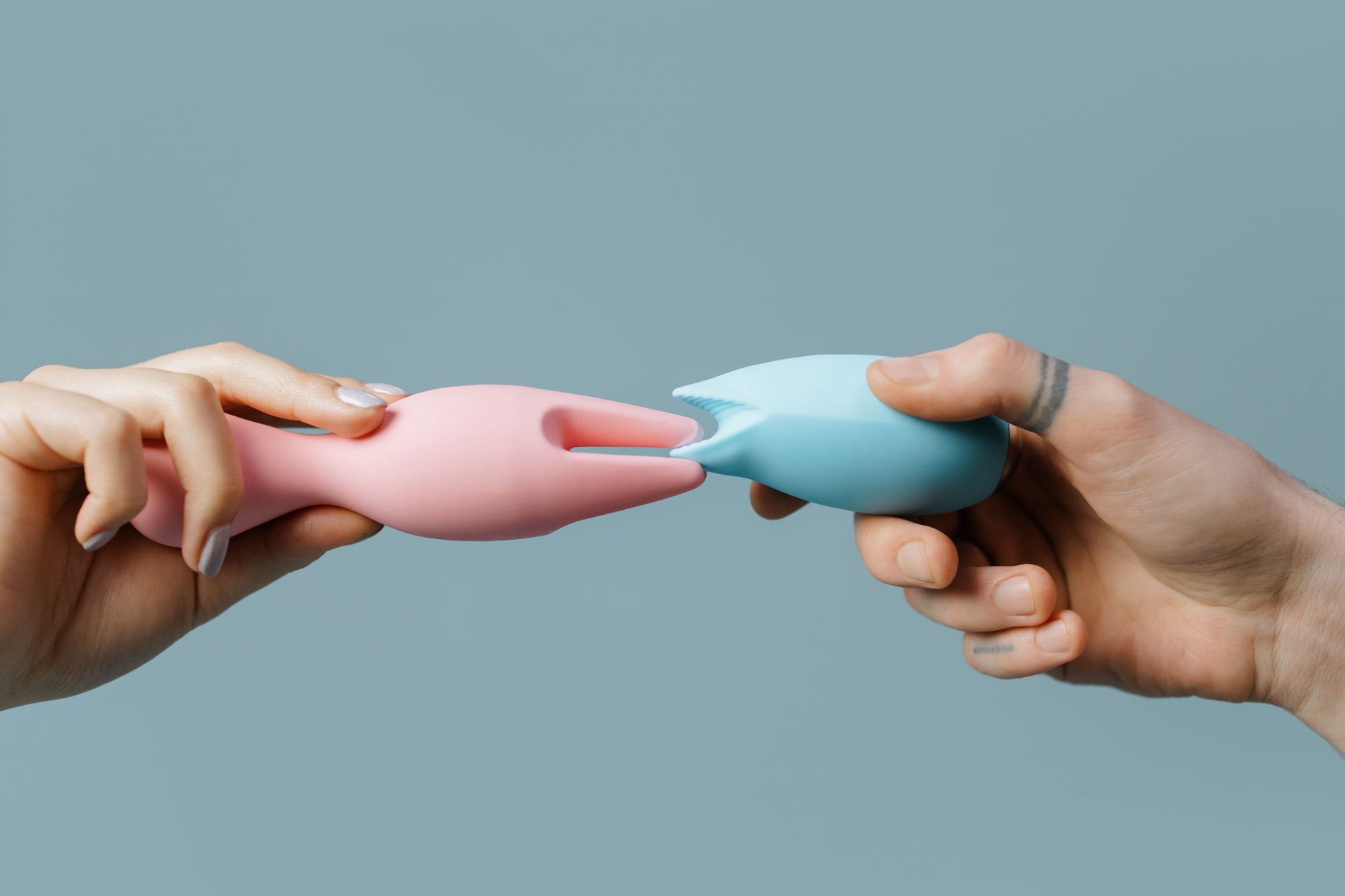
This is why a tool like a lemon clitoral vibrator works so well in this context. The Lem is consistent. It doesn't have moods. It doesn't betray you. It delivers the same sensation every time, which means your body can begin to believe it's safe.
What lemon vibrators offer that partners can't right now
There are several reasons clitoral vibrators, specifically lemon sexual toys and suction-based designs, become so valuable during this rebuild:
They're predictable. Your nervous system craves certainty after betrayal. A vibrator delivers exactly what you program it to. No surprises. No performance pressure. No reading between the lines.
They remove the permission question. Infidelity often leaves people feeling like they don't deserve pleasure, or that wanting it makes them complicit in their own hurt. Using a toy is a clear boundary: this is for me, about me, not tangled up in anyone else's actions or needs.
They bypass the shame spiral. Many people who've experienced betrayal describe feeling ashamed of their body or their desire. A tool between you and your pleasure can feel less exposing than your own hands, which sounds counterintuitive until you realize that toys create a kind of permission you've internalized as "off limits."
They build nervous system capacity. Every time you successfully experience pleasure without a partner, your brain logs that as evidence: "I can feel good. I can trust my body. I can find safety here." That evidence becomes the foundation for trusting pleasure with someone else eventually.
How to actually begin this work
If you're starting from a place of numbness or disconnection, lemon adult toys are not a magic wand. They're a tool. Here's how to use them as part of your healing:
Start without pressure. The goal is not to orgasm. The goal is to notice sensation. Spend time touching yourself, with or without the vibrator, and just observe. What does it feel like? Where do you feel numb? Where is there still sensation? This is data, not judgment.
Set a time when you feel safe. Not during stress, not when you're exhausted, not when a partner is home and might interrupt. Pick a window when your nervous system can be curious instead of defensive.
Use the lowest settings first. Clitoral vibrators like the Lem have multiple patterns and intensities. Start at level one. Let your body remember that pleasure doesn't have to be intense to be real. Intensity comes later.
Notice what feelings come up. Sometimes grief surfaces. Sometimes anger. Sometimes relief. All of it is valid. You're not processing infidelity through your vibrator; you're creating a space where your body can exist outside of betrayal for the first time in weeks or months.
Give this weeks, not days. Rebuilding nervous system safety is not a quick process. You're not trying to feel amazing immediately. You're building evidence, session by session, that your body is trustworthy.
When to bring a partner back into this
At some point, if you want partnered sex again, you'll invite someone back into this space. That's a different conversation than this one, but here's what matters: when you do, you'll already know that pleasure exists independently of them. You'll have proof that your body works. You'll have evidence that you can trust yourself.
That changes everything about what's possible with a partner. Instead of trying to heal the relationship by performing pleasure you don't feel, you're building toward actual desire. Instead of wondering if you can ever trust them with your body again, you're starting from the foundation of trusting yourself.
Many couples find that one partner's solo pleasure practice becomes an anchor point for both of them. It reminds the betrayed partner that they have agency. It shows the partner who caused harm that sexual healing isn't transactional. It creates space for real conversation instead of forced reconciliation.
The clitoral landscape after infidelity
One more clinical note: infidelity sometimes leaves people with changes in clitoral sensation or response. The stress and trauma can dull sensitivity. The shame can make you feel disconnected. This is not permanent. It's your nervous system doing its job. As you rebuild safety with yourself, sensitivity often returns.
If it doesn't, or if you notice pain, that's worth exploring with a pelvic health specialist. But in most cases, reconnecting through solo pleasure with a reliable tool like a lemon vibrator gradually restores the sensation and response that feels lost.
This is not about your partner
Let me be very direct: if you're reading this because you think your solo pleasure practice will "fix" the infidelity or "make your partner happy," stop. This is for you. This is about reclaiming something that was stolen: your trust in your own body, your right to pleasure that belongs only to you, your ability to experience desire without it being wrapped up in someone else's betrayal.
Healing from infidelity is not linear. Some weeks you'll feel strong and clear. Other weeks you'll feel like you're starting over. That's normal. The work of reconnecting with yourself sexually is profound and necessary. A tool like the Lem is just that: a tool. What matters is you showing up for yourself, week after week, rebuilding the evidence that you are worthy, your pleasure matters, and your body is safe with you.