
Let's start with what's actually happening
Here's what nobody tells you: your clitoris doesn't age the way the rest of your body does. It doesn't get less capable. It gets different. And most of the time, different is actually better.
The real shift? Nerve sensitivity recalibrates. The same direct, high-pressure stimulation that worked in your 20s can feel sharp or overwhelming now. But the neural pathways for pleasure don't disappear. They just respond to a different kind of touch.
Why clitoral sensitivity changes as you age
Three physiological things happen simultaneously. First, skin thickness around the clitoris increases slightly, which means nerve endings sit a fraction deeper. Direct vibration still reaches them, but it hits differently. Second, blood flow patterns shift with age, which affects how quickly and fully the clitoris engorges during arousal. Third, and this matters most, the protective hood of tissue over the clitoral glans becomes less elastic, which actually can make the glans itself feel more exposed and potentially more sensitive to certain types of touch.
Here's the counterintuitive part: all of this often makes you more responsive to suction-based stimulation, not less.
Why? Because suction works differently than vibration. Instead of hammering a single point, suction creates a gentle pull that stimulates the entire clitoral network. The deeper nerve fibers, the glans, the hood, the surrounding tissue. It's distributed pressure rather than focused pressure. For aging bodies, this is often the difference between overstimulation and orgasm.
The science of suction versus vibration
Direct vibration, especially at higher speeds, creates localized pressure waves. Your 25-year-old clitoris could handle this all day. Your clitoris now? It might feel buzzy, numb, or even slightly sore after a few minutes.
Suction, by contrast, uses gentle negative pressure. It mimics the sensation that partnered oral sex creates, but with consistent intensity you control. The Lem, a lemon clitoral vibrator from Helo Nancy, uses air-pulse technology to create this suction effect. It pulls rather than pushes.
For aging clitorises, this is the difference between scratching an itch and actually relieving it. The distributed, gentle pull tends to build arousal more slowly and produce longer-lasting, more intense orgasms.
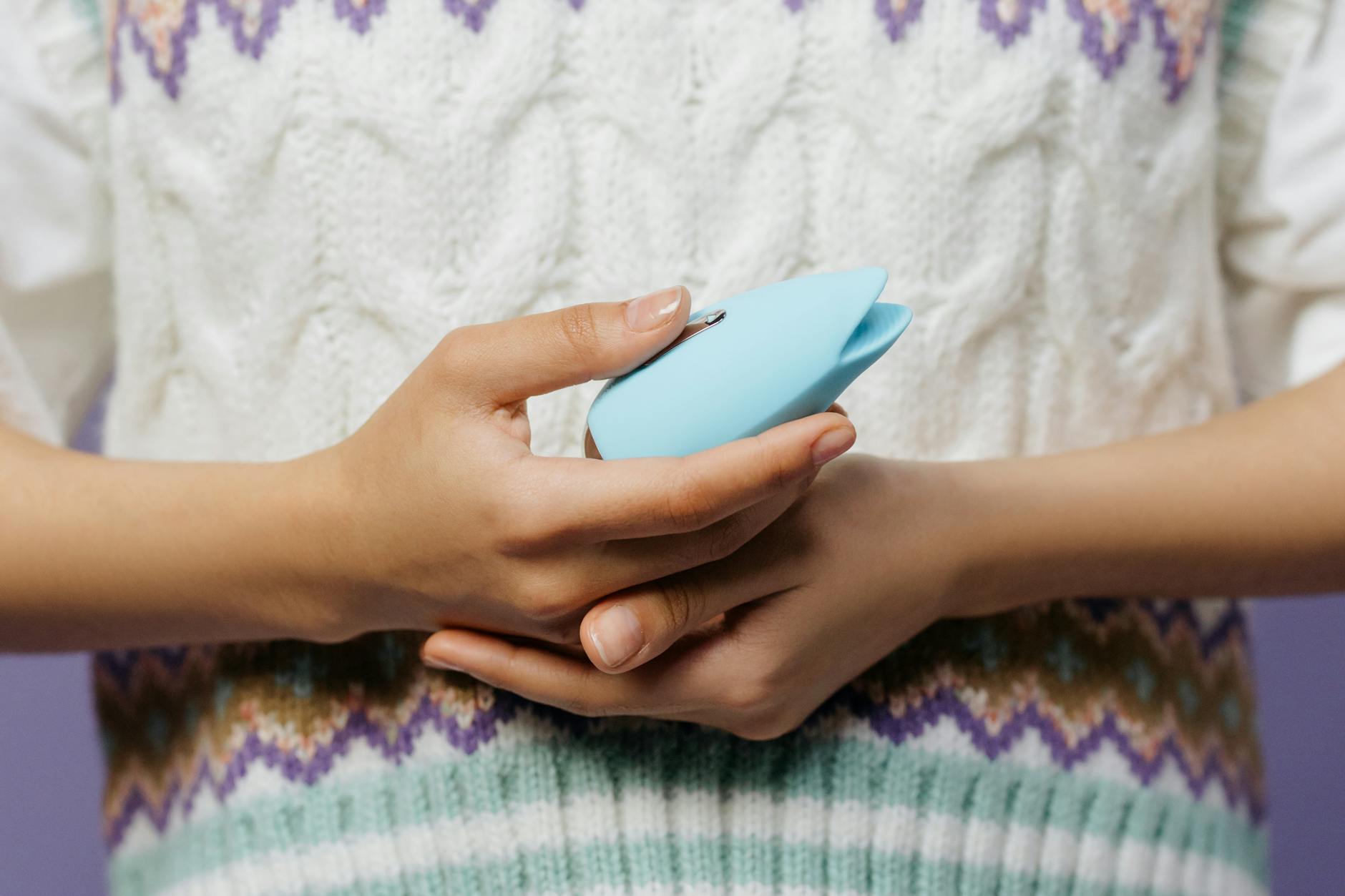
Photo by cottonbro studio on Pexels
How to adjust your technique when sensitivity shifts
If you're used to traditional vibrators, suction feels weird at first. It shouldn't feel like a vacuum or like your clitoris is being pulled uncomfortably. That's too much intensity.
Start with the lowest setting on a lemon sucker device. Not setting 1 on a scale that goes to 10. Setting 1. Period. Let it rest there for 30 to 45 seconds. You should feel a gentle pulling sensation, almost like the first moment of oral sex when someone's just starting to apply light suction. If that feels good, stay there. Your nervous system will signal when it's ready for a bit more intensity.
Most people who struggle with suction vibrators are using them at 5 or 6 when they should be exploring 1, 2, and 3 for the first week or two. Your clitoris needs time to remember what this sensation feels like.
When you do move up in intensity, do it in single increments. One level every 2 to 3 minutes. Your clitoris will let you know when you've hit the sweet spot. Many people find themselves staying between levels 2 and 4 on a lemon vibrator, never pushing higher. That's not a limitation. That's efficiency.
Warm-up time becomes your secret weapon
Here's something that shifts with age: foreplay matters more, and it's not because you're broken. It's because arousal now requires more of your nervous system's attention.
Budget 20 to 30 minutes before you even think about using a clitoral vibrator. This can be solo exploration, partnered touch, reading something that turns you on, or just lying in bed with your eyes closed. Bring yourself to about 70% aroused before you introduce the lemon vibrator.
Why? Because a suction device works better when blood is already flowing to your clitoris. When you're not yet fully aroused, you're asking the device to do the entire job. When you're already in the zone, the device just amplifies what's already happening. It's the difference between jumping straight to a sprint and building momentum.
If you're in a relationship, this warm-up time is also when partnered touch happens. Kissing, manual stimulation, whatever you both enjoy. Then, when you're ready, you introduce the lemon clitoral vibrator. Some couples find this deepens intimacy. Others find it creates space for solo pleasure they'd forgotten about. Both are valid.
Pattern matters more than speed
One of the best discoveries for aging bodies: pattern-based stimulation often beats pure speed.
Most traditional vibrators are one note. They buzz. The Lem and similar lemon sexual toys offer multiple patterns. This is not a gimmick. Patterns create rhythm and surprise, which keeps your nervous system engaged. Your clitoris doesn't get numb to a pattern the way it gets numb to a constant buzz.
Start with the simplest pattern available, at the lowest intensity. Spend a few minutes there. Then try a different pattern at the same intensity. Most people find one or two patterns that feel effortless and save those for regular use. You're not hunting for the "best" setting. You're discovering what your aging clitoris actually responds to.
Honestly? Many people find that patterns 1, 2, and maybe 3 (out of 7 or 8 available) become their go-to, and they never look back. You're not missing out on anything by not using the advanced patterns. You're using the device intelligently.
Lube changes the conversation
As you age, the skin around your clitoris naturally becomes slightly less lubricated. This doesn't mean you're broken. It means water-based lube is now part of your setup, not an occasional addition.
Apply a small amount (a pea-sized drop, honestly) to the rim of the device, not directly to your clitoris. Let the suction pull the lube to where it's needed. This creates a better seal, smoother sensation, and often more intense feelings.
Many people skip lube with suction devices because they're not used to using it with traditional vibrators. Don't. The difference is noticeable. Better seal, gentler sensation, stronger orgasms.
Use water-based only. Silicone lubes can degrade silicone toys, and most lemon adult toys are silicone. Water-based washes off easily and reapplies without mess.
When to see a doctor (it's more often than you think)
If pleasure is disappearing entirely, or if suction causes pain rather than sensation, something else might be happening. Vulvovaginal atrophy, hormonal changes beyond normal aging, or other medical factors can affect clitoral sensation.
A gynecologist who specializes in midlife sexual health can help. Topical estrogen treatments, hormone therapy, or other interventions can sometimes make a real difference. This isn't about fixing yourself. It's about creating the conditions where pleasure can actually happen.
Don't assume that less sensation at 50 than at 30 is inevitable. Sometimes it's just life. Sometimes it's treatable.
The emotional piece (it's bigger than you think)
Physical changes matter. But so does permission.
As you age, there's often less performance pressure. Fewer people watching. Fewer expectations from partners (or in many cases, clearer communication about what you actually want). That mental shift alone changes everything.
Many people report that their most intense orgasms of their lives came after 45, 50, even 60. Not despite aging. Because of it. Because for the first time, they were using a device that worked for their aging body, without the noise in their head about how sex "should" feel.
You deserve pleasure that matches your life now, not pleasure that's a pale copy of pleasure from decades ago. The lemon vibrators from Helo Nancy are designed with this in mind. Suction-based clitoral vibrators work differently because your clitoris works differently. That's not a tragedy. That's an invitation.
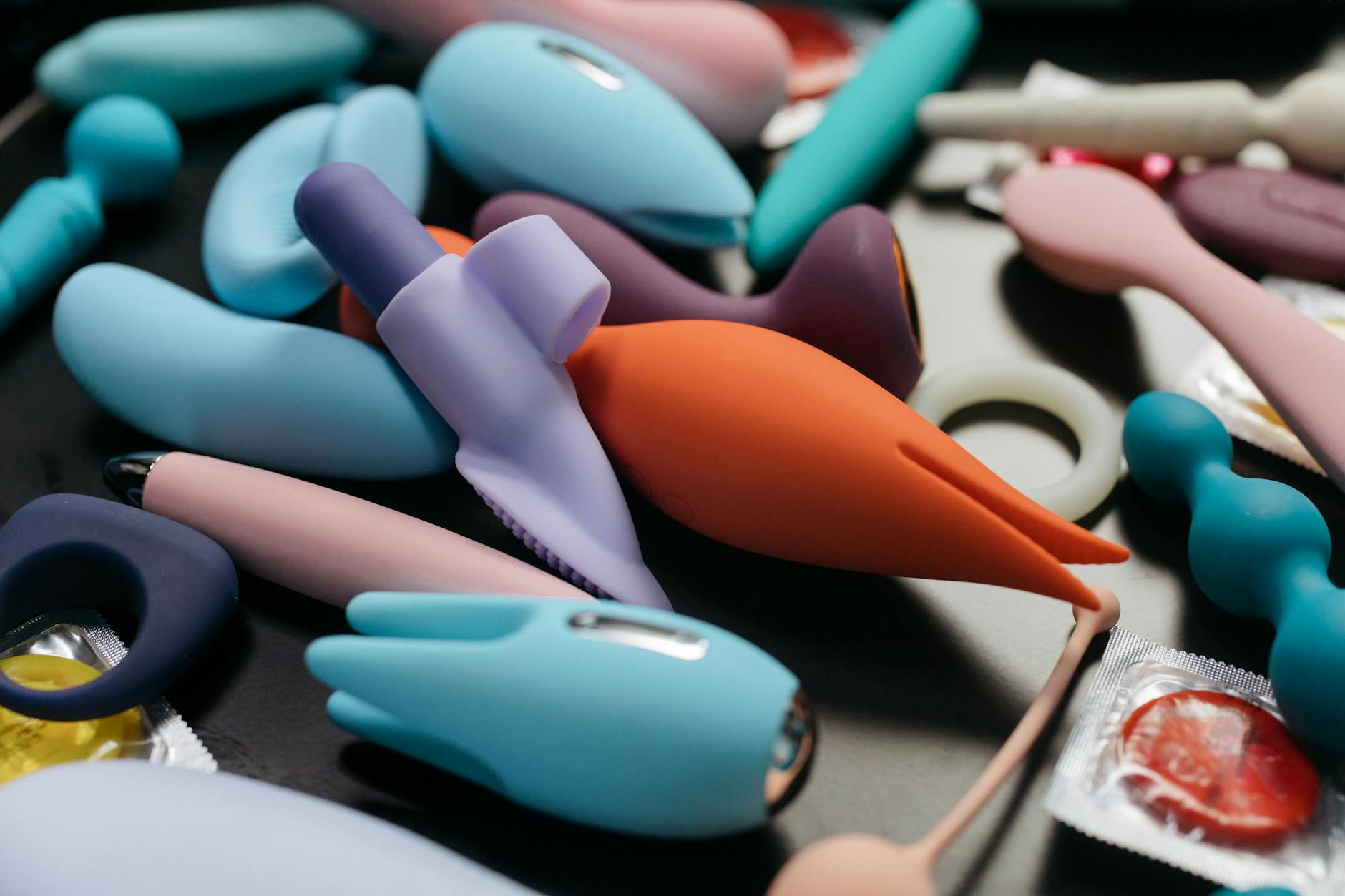
Photo by cottonbro studio on Pexels
Frequently asked questions
Can I still use traditional vibrators as I age, or do I have to switch to suction?
You don't have to do anything. Some people age and stay perfectly happy with vibration-based toys. Others find that suction works better. The smartest approach is having both options available. Traditional vibrators are great for certain moments. Suction devices are great for others. Listen to what your body actually responds to rather than assuming one type is "better."
How long does it take to adjust to suction if I've always used vibrators?
Most people take one to two weeks to genuinely adjust. The first few times might feel odd or not particularly intense. Stick with it. By week two or three, most people find it's actually more intense than vibration, just in a different way. Give yourself at least three solid sessions before deciding it's not for you.
Is it normal for orgasms to feel different as you age?
Completely normal. Orgasms often become longer, quieter, and more full-body as you age. Some people describe them as more waves than peaks. Some say they're more intensely satisfying. Different doesn't mean worse. It often means better, if you adjust your expectations.
Can a lemon vibrator help if I'm on medications that numb sensation?
Sometimes. Certain medications (some antidepressants, blood pressure meds) can reduce sexual sensation. A suction-based device like the Lem sometimes helps by distributing stimulation differently. But this is worth discussing with your doctor. There might be medication adjustments or other interventions that could help directly.
What if suction just doesn't work for my clitoris?
Then it doesn't work, and that's fine. Suction is not a magic fix. Some people have clitoral structure, sensitivity, or preference that makes vibration work better. Some people never want to use toys at all. The goal is finding what produces pleasure for you, not checking a box labeled "modern technique."
How often should I be using a clitoral vibrator if I'm aging and sensitivity is changing?
As often as you want. There's no minimum or maximum. Some people use them weekly. Some use them a few times a month. Some people integrate them into partnered sex. Some use them solo. The frequency that works is the frequency that feels good and sustainable for your life. Pleasure isn't a health obligation. It's something you get to choose.
The actual bottom line
Your clitoris at 50 (or 60, or 70) isn't a broken version of your clitoris at 25. It's an evolved version. It has different preferences, different thresholds, different ways of building arousal.
When you use a device designed to work with those changes rather than against them, you often find that orgasms become deeper, longer, and more satisfying than anything you've experienced before.
The lemon vibrators from Helo Nancy use suction technology specifically because it works well for bodies that are aging and changing. You're not settling for a compromise. You're choosing something better.
Start with the lowest setting. Give yourself permission to take your time. Trust what your body is telling you. Most of the time, the pleasure you're looking for is not behind you. It's right here, waiting for you to adjust the approach.
If you want to explore more about how to adapt pleasure practices to your changing body, reach out to our team. We're here to help.