Let's be honest about what happens after conflict
Conflict doesn't just hurt emotionally. It kills desire. When you've been arguing with a partner, when resentment sits between you, when trust is shaky, your body goes into a kind of protective mode. Arousal requires vulnerability. After conflict, vulnerability feels dangerous.
The tricky part? This doesn't mean your capacity for pleasure is broken. It means your nervous system is still in defense mode, and restarting sexual connection too quickly often deepens the problem instead of healing it.
I work with couples navigating this exact moment all the time. The good news is that rediscovering pleasure after conflict is entirely possible. But it requires a different framework than the one you'd use during smooth sailing.
The nervous system piece no one talks about
When conflict happens, your parasympathetic nervous system (the one that allows arousal and relaxation) takes a back seat. Your sympathetic system (fight, flight, freeze) is running the show. Your body doesn't know if it's safe to open up yet.
Sex therapists call this the "readiness gap." One partner might feel resolved and want to reconnect physically. The other isn't neurologically ready. Pushing through this gap doesn't rebuild trust. It usually damages it further.
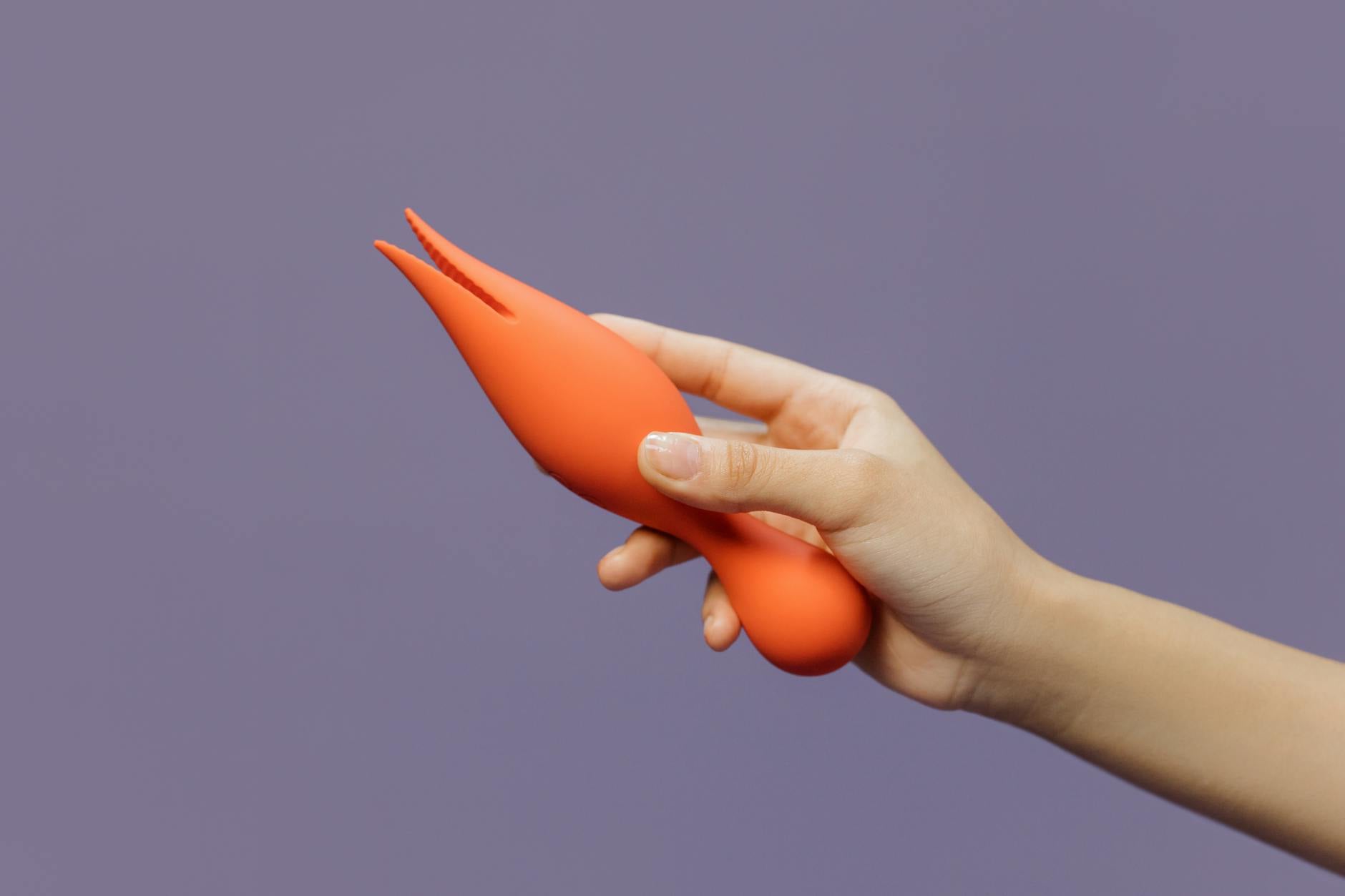
This is why solo play with a lemon clitoral vibrator can actually be the smartest first move. You're giving your nervous system time to regulate on its own timeline, without performance pressure or the emotional weight of partner dynamics.
Starting alone, on purpose
Using a lemon vibrator solo after conflict isn't avoiding your relationship. It's actually rebuilding the foundation that sex with a partner sits on. You're reconnecting with your own pleasure signals, which have probably been muted during the tension.
Here's what matters during this phase:
Set physical boundaries first. Choose a time and space where you won't be interrupted or observed. You're not hiding from your partner. You're creating the right conditions for your nervous system to settle.
Start low and slow. Don't jump to your favorite pattern or intensity. Your body might be more sensitive than usual, or oddly numb. A lemon clitoral vibrator's suction design is actually ideal here because you can dial the sensation granularly. Start on setting 1 or 2. Notice what feels good without chasing a goal.
Track what opens you up. Mental arousal matters as much as physical touch. What helps you feel safe and curious in this moment? Music? Dim light? A particular fantasy? Noticing these signals is valuable data for eventually rebuilding with a partner.
The timeline conversation you actually need
Here's where many couples go wrong. One person declares the fight "over" and expects sexual connection to resume immediately. The other person nods along but isn't actually ready, which leads to obligatory sex, which makes everything worse.
Instead, have this conversation explicitly. Not romantically. Not with pressure. Just functionally.
Say something like: "I know the conflict happened. I'm still processing it emotionally, and I need some time before I feel ready to be sexual together. That's not about you or how I feel about you long-term. It's about my nervous system needing time to trust again." Then name a general timeline if you can. Not "two weeks" but "probably a week or so." This matters because it gives your partner something concrete instead of open-ended uncertainty.
During this window, solo exploration with a lemon vibrator is not just okay. It's actually an investment in your shared intimacy.
When you start noticing desire again
At some point, you'll use your lemon vibrator and actually feel arousal. That's the signal that something has shifted. Your nervous system is starting to believe safety again.
This is not the moment to immediately involve your partner. Sit with this sensation for a few solo sessions. Let yourself build back to arousal without external pressure. This matters because you're essentially teaching your body that pleasure is possible again, independent of the relationship status.
Many people find that after a week or two of solo reconnection, desire for partnered sex naturally starts to return. Not because they forced it. Because their own pleasure appetite is waking back up.
Bringing a partner back in (carefully)
When you're ready to rebuild sexual connection with a partner after conflict, start with non-sexual physical touch first. Hand holding. Back rubs. Sitting close. Let your body remember that touch from this person feels safe again.
Then, ease into partnered arousal. You might suggest: "I'd like to use my vibrator while we're together, but not necessarily for penetration or partnered sex yet. Just me exploring while you're present." This feels safer than jumping straight to couple's sex because you retain control of the sensation.
A lemon clitoral vibrator is perfect for this because it's focused, controllable, and the suction sensation doesn't require the same kind of vulnerability that penetrative sex does. You can experience pleasure and closeness without triggering the nervous system again.
Many partners find watching you reconnect with your own pleasure actually incredibly attractive. It's not threatening. It's proof that you're healing.
The shame piece that often goes unspoken
After conflict, many people carry some version of: "Why can't I just want sex again? Something's wrong with me." The answer is no. You're neurologically normal. Your body is doing exactly what it's supposed to do, which is protect you.
Some partners also feel shame about needing solo time instead of "choosing" partnered sex. That's also misplaced. Solo pleasure isn't rejection. It's preparation. It's your nervous system saying "I need to feel safe in my own body before I can fully show up for you."
Giving yourself permission to rebuild slowly is not selfish. It's actually the most generous thing you can do for the relationship, because it means you'll eventually be fully present and connected instead of going through the motions.
FAQ: Rebuilding Desire After Relationship Tension
How long does it typically take for desire to return after a big fight?
It varies widely depending on the severity of conflict and your attachment style. For minor arguments, a few days to a week. For deeper ruptures, two to four weeks isn't uncommon. There's no "right" timeline. Pay attention to your body's signals, not a calendar.
Is using a vibrator alone while in a relationship considered cheating?
Not at all. Solo pleasure and partnered sex are different things that serve different purposes. Using a lemon vibrator by yourself is about reconnecting with your own body, which actually strengthens your capacity for intimacy with a partner. Most relationship therapists recommend it as a healthy part of the healing process.
What if my partner feels rejected when I need solo time before being sexual together?
This is common and worth addressing directly. Reassure them: "I'm not rejecting you. I'm rebuilding my capacity to be fully present with you." If they continue to pressure you into sex before you're ready, that's a separate relational problem worth examining with a couples therapist.
Can using a lemon vibrator help me feel more aroused when I'm ready to reconnect with my partner?
Absolutely. Regular solo arousal with a clitoral vibrator actually trains your nervous system to feel safer with sensation. The more you practice pleasure alone, the easier it becomes to access that same arousal with a partner present.
What if desire doesn't come back after several weeks of using a vibrator solo?
That might signal something deeper than the recent conflict. Consider whether there are unresolved resentments, trust issues, or mismatches in intimacy needs that need direct conversation or professional support. A relationship coach or sex therapist can help you untangle what's actually blocking desire.
Should I tell my partner I'm using a vibrator during the reconnection phase?
That depends on your relationship culture and comfort. Some couples are transparent about solo play. Others keep it private. There's no universal right answer. Just notice whether secrecy is coming from healthy boundaries or from shame. If it's shame, that might be worth examining.
The bigger picture
Conflict in relationships is inevitable. What matters is what you do after. Using a lemon vibrator during the healing phase isn't avoidance. It's active participation in rebuilding yourself as a sexual person, which is actually what your relationship needs most.
Your desire will return. Your nervous system will remember safety. But that return happens on your timeline, not on a schedule that feels convenient for your partner.
If you need support navigating this conversation or the reconnection process itself, reaching out to a relationship coach or therapist can make a huge difference. Sometimes having a professional in the room helps both partners feel heard.