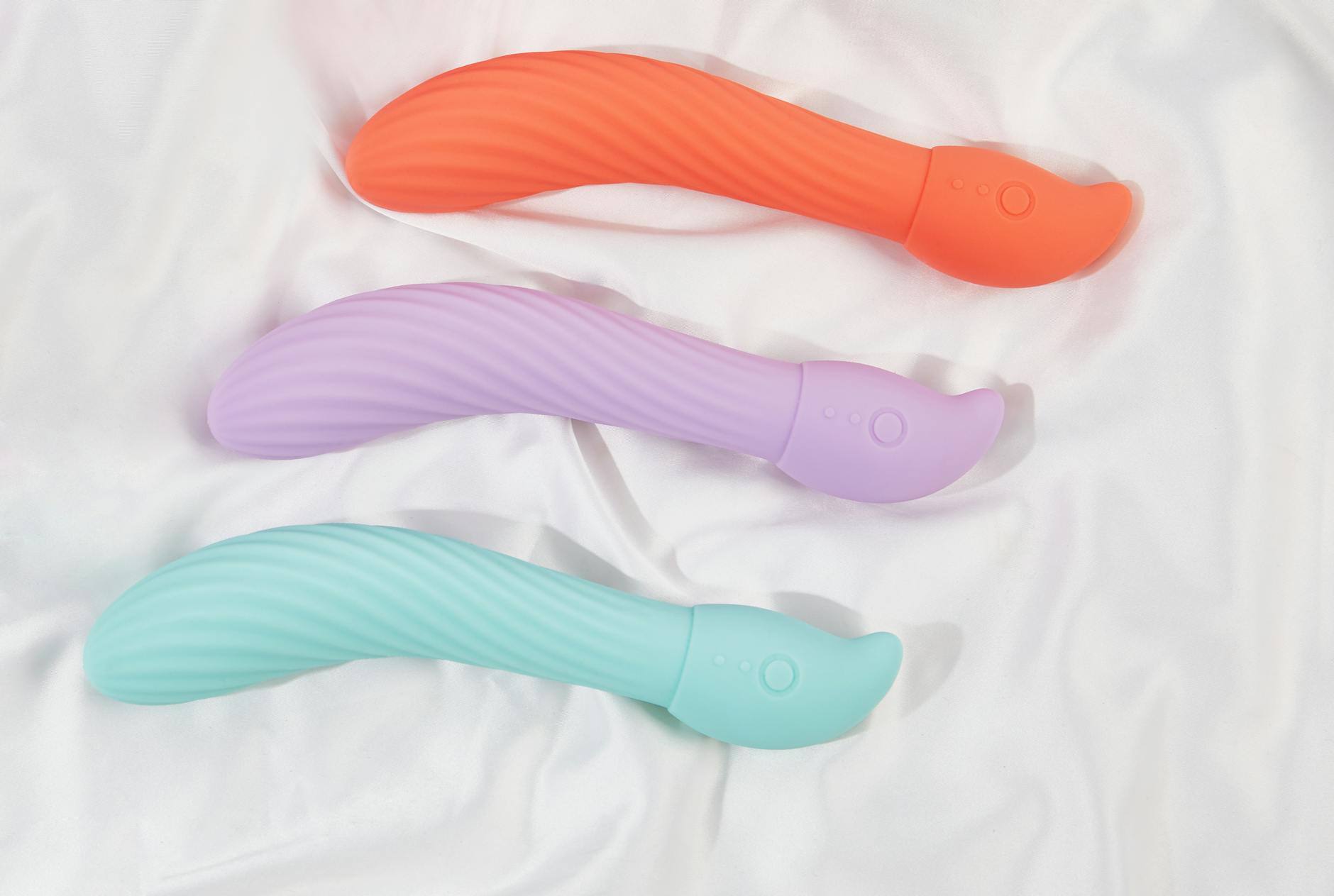
The strange gift nobody warns you about
Depression doesn't just steal your mood. It erases your body's signals. You stop wanting sex, stop noticing attraction, stop feeling the baseline hum of desire that used to be normal. Then the medication kicks in. Your thoughts clarify. Your energy returns. And one morning you realize you actually want someone to touch you again.
That's when the real work begins. Because your body didn't just sleep through the depression. It changed.
Why desire returns, and why it feels wrong
When depression is active, your brain downregulates dopamine and serotonin. Arousal lives downstream from both of those. No dopamine, no wanting. No serotonin, no feeling safe enough to let go. Antidepressants restore the chemicals, but they don't restore the muscle memory of pleasure. Your body has literally forgotten how to do this.
That forgetting is normal. It's also fixable. But first you have to understand what happened in the gap.
During depression, many people stop touching themselves entirely. There's no curiosity, no edge, no point. Some people report months or years of absolutely zero sexual thought. When you emerge from that blankness, the first instinct is often shame. "How could I have stopped wanting this?" "Am I broken?" "Will it ever feel like it used to?"
Honestly? It won't feel like it used to. It will feel better, because you're building it from scratch with the clarity you didn't have before.
The first 48 hours: just notice
Don't do anything yet. Your libido is back online, which means your body is sending signals again. For the first week or two, the assignment is only to notice them without acting on them. Are you having thoughts first thing in the morning? During a shower? When you see someone attractive? Is it a vague flutter or a sharp pull?
This matters because many people come out of depression and feel immediately pressured to perform sexuality again. Their partner wants sex. They want to prove they're "better." They buy a toy like a lemon vibrator and expect it to work the way it did before.
It won't. Not yet. Your nervous system spent months in deep hibernation. You can't shock it awake with intensity.
When you're ready: start with low stakes
Here's what I recommend to almost every client rebuilding sexual confidence after depression.
First, use a lemon vibrator on the lowest setting in a completely relaxed context. No performance expectation. No partner watching or waiting. Solo. You're not trying to reach orgasm. You're trying to remember that your body can feel pleasure at all.
Start with just the tip of the suction cup against your clitoris. The lemon clitoral vibrator works by gentle suction, not vibration. That softness is crucial here. You don't want intensity. You want tenderness. You want to reacquaint yourself with sensation the way you might reintroduce a baby to bright light. Gradually.
Sit with it for ten minutes. Feel what you feel. If nothing happens, that's fine. If something happens and you panic, that's also fine. Both are part of the process.
The discomfort that's actually progress
Some people report that using a lemon sucker or clitoral vibrator after depression feels weird or uncomfortable at first. The sensation might be too much, too strange, or oddly distant. Your brain spent months telling your body "nothing here is safe." That message doesn't just vanish because your serotonin levels normalized.
The discomfort is not a sign you're broken or that the toy doesn't work. It's a sign your nervous system is slowly understanding that safety is returning.
This is where patience matters more than the toy itself. If the lem vibrator feels wrong on day three, try day seven. If the lowest setting still feels jarring, spend a week just holding it without turning it on. Let your body remember that touch is okay.
When your partner is involved
If you're rebuilding sexuality with a partner, have an actual conversation first. Not "I'm ready for sex again," but something more specific: "My body is starting to wake up. I want to explore that slowly with you. I might need things to feel different than they did before."
If your partner has been waiting for you to want sex again, they might come into this with their own pressure and timing. A lemon vibrator can actually help here because it shifts the focus. Instead of "Will I be able to have an orgasm the old way," it becomes "Let's explore this together." The suction sensation is usually novel even for partners who remember your sexuality from before the depression.
That novelty is a gift. It means neither of you is comparing this to the old version. You're building something new.
Setting realistic timelines
Don't expect your libido to return at full strength right away. Recovery from depression is slow. Sexual recovery is slower. You might spend two weeks exploring sensation with the lowest setting of a lemon vibrator and feel proud of that. You should. Your nervous system is learning to trust pleasure again.
Some people need a few weeks. Some need a few months. There's no normal speed. The timeline is your body's timeline.
One thing I tell my clients: if you're having zero response even after a few weeks of gentle exploration, that's worth mentioning to your psychiatrist or therapist. Sometimes a particular antidepressant dampens sexual function even once you're stable. There are options. Don't suffer through this part thinking it's just how recovery feels.
The emotions that come with physical return
When sex drive returns, so do a lot of feelings you might not have expected. Grief that you lost all that time. Anger at depression for stealing it. Guilt about your partner waiting. Joy that your body works again. All of these can hit in the same hour.
That's not weakness. That's your emotional and physical nervous system finally synchronized again. Let it move through you. The clitoral vibration and pleasure you're building with a lemon vibrator isn't separate from that emotional work. It's part of it.
You're not just rekindling sex. You're proving to your body that you're safe. That wanting something is okay. That pleasure belongs to you. A lem vibrator is just a tool for that much larger conversation happening inside you.
When to seek help
If after several weeks of gentle exploration you feel zero sensation, or if the idea of sexuality triggers panic or dissociation, talk to your therapist. Sometimes the medication needs adjustment. Sometimes trauma surfaces during recovery and needs specific attention. Neither of those things means you won't get your sexuality back. It just means you might need a guide.
A good therapist who knows both depression and sexuality can help you move through this part faster and with more clarity. Your pleasure matters. Your recovery matters. Getting support for both is strength, not failure.
Your body remembers how to want. Sometimes it just needs you to be patient enough to listen.
People also ask
Can I use a lemon vibrator right away when my antidepressant starts working?
Technically yes, physically no. When antidepressants first kick in, the chemical rebalancing is still happening. Your body might feel flooded or overstimulated. Give yourself at least a week to find your new normal before introducing any toy. Then start low and slow.
Will a lemon clitoral vibrator work if I've had zero sensation for months?
Most likely yes, but sensation might take time to return. The clitoral suction in a lemon vibrator is often gentler than traditional vibrators, which makes it a better choice for reawakening sensitivity. But again, start on the lowest setting. You're training your nervous system to recognize pleasure, not chasing an orgasm.
Is it normal to feel uncomfortable or numb even with the vibrator working?
Completely normal. Depression literally flattens sensation. Your clitoris and your brain have both forgotten how to talk to each other. A lem vibrator can help rebuild that conversation, but it takes repetition and patience. Most clients report that sensitivity and response improve noticeably within 2-3 weeks of gentle, regular use.
Should I tell my partner about using a lemon vibrator during recovery?
That depends on your dynamic and comfort level. But if you're rebuilding sexuality together, honesty usually helps. You can frame it as "I want to reconnect with my own body first, so I can feel confident with you." Most partners appreciate that clarity over discovering it later.
What if a lemon vibrator makes me feel triggered or anxious?
Stop using it immediately. Sexuality after depression can surface unexpected trauma or dissociation. That's not a failure. That's information. Talk to your therapist before trying again. There might be a smaller, gentler approach that works better, or you might need to address the underlying trigger first.
How often should I use a lemon sucker during this recovery phase?
Start with two or three times a week for ten to fifteen minutes. Let your body tell you what it needs. If that feels overwhelming, once a week is fine. If your arousal is building and you want daily exploration, that's fine too. You're not overdoing it unless you're chasing numbness or dissociation. Recovery is about listening to your body again, not pushing it.
Your sexuality wasn't gone. It was sleeping. And now it's waking up. Give yourself the grace to move at your own pace.