Here's the thing no one tells you about postpartum bodies
Your body just did something extraordinary. It also made pleasure feel like a foreign country. That's not weakness, not a sign you're broken, and definitely not permanent. But it does mean rebuilding intimacy requires patience and the right tools.
The postpartum period scrambles things in ways that go way beyond the obvious. Hormones are in free fall. Pelvic floor muscles are learning to remember their job. If you're breastfeeding, your body's chemistry is actively suppressing arousal (thanks, oxytocin). Emotionally, you're operating on fragmented sleep while someone else's survival depends on you. Of course pleasure feels distant.
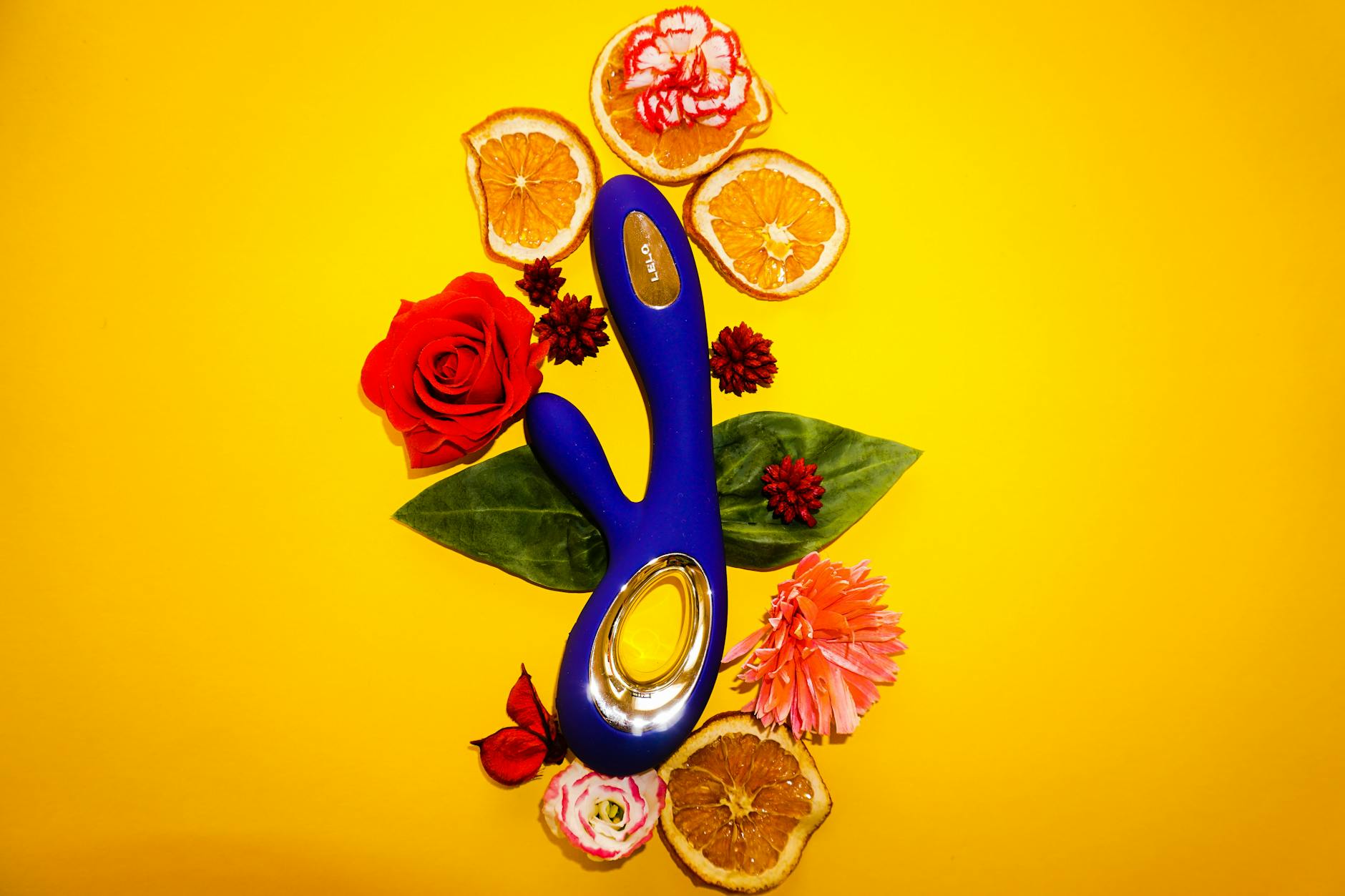
Here's what actually helps: a tool that puts you back in control, doesn't require the intensity your sensitive tissue can't handle right now, and lets you explore at your own pace. That's where a clitoral vibrator like the Lem comes in.
Why your postpartum sensitivity needs a different approach
Your clitoris didn't shrink. Your pelvic floor didn't disappear. But the tissue around both is more sensitive, sometimes swollen, and absolutely less forgiving of direct friction. This is temporary but real.
A few things shift postpartum:
Estrogen bottoms out. Your vaginal tissue thins (yes, even if you're breastfeeding, though breastfeeding makes it more pronounced). The area around your clitoris gets less blood flow, which changes sensation. Direct vibration that felt great before pregnancy might feel sharp or overwhelming now.
Your pelvic floor is learning. Whether you had a vaginal birth or C-section, your pelvic floor took a hit. Even if you didn't tear, the muscles are fatigued and tender. High-intensity stimulation can trigger cramping or discomfort instead of pleasure.
Mental arousal is struggling. Your brain is flooded with cortisol (stress), prolactin (if breastfeeding), and the constant low-level alert of new parenthood. Arousal takes longer to build. Sometimes it doesn't build at all, even when you have the physical space to try. That's not rejection of your partner or of sex itself. It's biology colliding with survival mode.
How suction changes the game for postpartum bodies
A lemon clitoral vibrator works differently than traditional vibrators. Instead of direct buzzing against sensitive tissue, suction stimulates the entire clitoral structure from a distance. You're not grinding anything that's already tender.
This matters postpartum because:
You control the intensity without sacrificing sensation. The Lem's settings start gentle and build. You can stay on pattern one or two indefinitely without feeling like you're "not doing it right." Your rebuilt pelvic floor can relax instead of bracing for impact.
Suction pulls blood into the area, which actually helps restore sensation over time. The more you use it gently, the more your tissue wakes up. It's the opposite of aggression. It's invitation.
You can use it solo first. Learning your postpartum body alone, without the pressure of a partner watching or waiting, changes everything. You get to reconnect with yourself before you reconnect with anyone else.
Your practical roadmap for the first weeks
Timing matters. Aim for at least four to six weeks postpartum before trying any penetrative toy or clitoral work, longer if you had a tear. But solo external exploration with suction? That can start earlier if you're cleared by your provider and your bleeding has substantially decreased.
Start with your own touch first. Warm water, clean hands, no pressure to feel anything special. Just reacquaint yourself with your body. Notice where it's numb, where it's hypersensitive, where it feels neutral.
When you introduce the Lem, charge it fully. Warm your body first with a shower or just time. Apply water-based lubricant generously around the entire vulva, not just inside. The external tissue needs it more than ever.
Turn it on at the lowest setting. You're not trying to orgasm. You're trying to feel something. That's the whole goal for weeks one through three. Pressure off. Pure exploration.
Keep sessions under ten minutes at first. Your nervous system is already overwhelmed. Pleasure doesn't have to be a marathon.
When pleasure still won't come and that's okay
Some postpartum bodies take weeks or months to feel pleasure again. Some take longer. If you're in that space, know that numbness or flatness is a normal postpartum response, especially in the first three months. Your body isn't broken. It's protecting itself.
What helps: no pressure timelines. Use the lemon vibrator on a schedule that has nothing to do with orgasm. Tuesday at 8 p.m., just because. Not to achieve something. Just to remind yourself that you exist as someone with a body that can feel.
Don't partner this with your partner yet. If you have a partner, solo time with a clitoral vibrator is not about excluding them. It's about rebuilding your own nervous system's relationship with pleasure. Once you remember what your postpartum body is capable of, partnered sex becomes possible again. Before that, it often feels like another task.
Talk to your partner about this framework. "I need six weeks of solo time with this to reconnect with myself. That's not about you." Most partners who understand the physiology get it immediately.
Pelvic floor recovery while you rebuild pleasure
Your postpartum pelvic floor needs more than Kegels, especially right now. Tension and sensitivity often matter more than weakness in the first months.
While you're using the Lem, practice releasing tension. Before you turn it on, take three deep breaths and consciously relax the pelvic floor. Feel it soften. That paradox of relaxation instead of clenching is what actually heals.
Consider pelvic floor physical therapy if anything feels sharp during use. Not because you're doing it wrong, but because a physical therapist can assess whether tension or tissue damage is the culprit. They give you different tools for each.
If you had a tear or C-section, scar tissue can make sensation feel strange even months later. That's worth mentioning to your provider. Scar tissue responds to gentle, consistent touch over time. The Lem's suction actually helps with that healing.
Rebuilding with a partner in the picture
Eventually, you'll want your partner involved again. That conversation starts before anything physical happens.
Honestly talk about what your postpartum body needs right now. "I need penetration to feel optional, not expected. I need longer warm-up time. I need to know we can stop at any point." Partners who love you want this information. It's not rejection when you say what you need. It's an invitation to actually have sex you both enjoy.
Consider using the Lem together. Not instead of partnered sex, but as part of it. Your partner can hold it while you guide the intensity. You stay in control. They stay connected. It's a bridge between solo reconnection and partnered intimacy.
Don't rush penetration. Even when clitoral pleasure returns, penetrative sex often takes longer to feel good postpartum. That's biology, not your fault or your partner's.
When to check in with your provider
If pain shows up that doesn't ease with gentler touch, tell your doctor. Postpartum pain during sexual activity can signal infection, scar tissue complications, or pelvic floor dysfunction. All of those are treatable, and none require you to white-knuckle through discomfort.
If numbness hasn't started improving by six months postpartum, that's worth mentioning too. Most postpartum bodies regain sensation gradually, but some need targeted support.
You're not being dramatic by mentioning these things. You're gathering information to rebuild pleasure in a body that just performed a miracle. That deserves attention.
The long view: pleasure is still waiting for you
Postpartum bodies feel foreign temporarily. The Lem isn't a magic wand that skips the healing process. It's a tool that lets you lead the process on your own terms, at your own pace, with genuine gentleness.
Most people find that pleasure returns more richly after childbirth, not less. You understand your body differently now. You've given yourself permission to prioritize sensation. You know what actually matters.
Start where you are. Use the tools that respect your body's current state. Reconnect with yourself first, your partner second. The pleasure you're rebuilding will feel earned and real.
People also ask
How soon postpartum can I use a clitoral vibrator like the Lem?
Wait until your bleeding has substantially decreased and you're cleared by your provider, typically four to six weeks. If you had a tear or C-section, ask your provider specifically about external clitoral stimulation before internal play. The Lem is external, which is generally safer earlier, but individual healing varies.
Does using a lemon vibrator postpartum stretch or damage my pelvic floor further?
No. Clitoral stimulation doesn't directly load your pelvic floor the way penetration does. If anything, gentle suction can help restore blood flow and sensation. If you feel cramping or sharp pain during use, that signals tension, not damage. Stop, rest, and try again another day with more relaxation work first.
Can I use a lemon vibrator while breastfeeding?
Absolutely. The suction from a lemon clitoral vibrator doesn't affect milk supply or the safety of breastfeeding. Your body might not feel aroused while breastfeeding due to hormone shifts, but that's hormonal, not mechanical. Once your baby is weaned or you're exclusively formula-feeding, arousal often bounces back quickly.
What if my partner wants penetrative sex before I'm ready postpartum?
That conversation starts now, before anything physical happens. "My body isn't ready for penetration yet. My clitoris is ready for gentleness. Can we explore that first?" A lemon clitoral vibrator lets you have intimate contact without penetration. It's a bridge, not a replacement. If your partner resists, that's relationship information worth paying attention to.
Will using a vibrator decrease sensation down the line postpartum?
No. In fact, gentle regular stimulation actually restores sensation faster than avoiding touch entirely. Your postpartum clitoris is sensitive temporarily. Regular gentle stimulation helps normalize sensation and blood flow over time.
How do I know if postpartum numbness is normal or something I should worry about?
Some numbness in the first weeks is typical. By two to three months, you should notice gradual improvement in sensation. If numbness persists past six months or gets worse instead of better, mention it to your provider. Prolonged numbness can signal pelvic nerve involvement, which is treatable but worth assessing professionally.