When years together dim the spark
Let's be real. Ten years in, or five, or sometimes even two, sex can start to feel like a shared routine instead of a shared pleasure. You know each other's rhythm so well that the sex becomes predictable. Sometimes it stops happening altogether. This isn't failure or a sign the relationship is broken. This is what happens when two people run on autopilot.
The good news is that autopilot can be reset. And often the reset doesn't require couple's therapy or a relationship overhaul. Sometimes it just requires you to reconnect with your own body first.
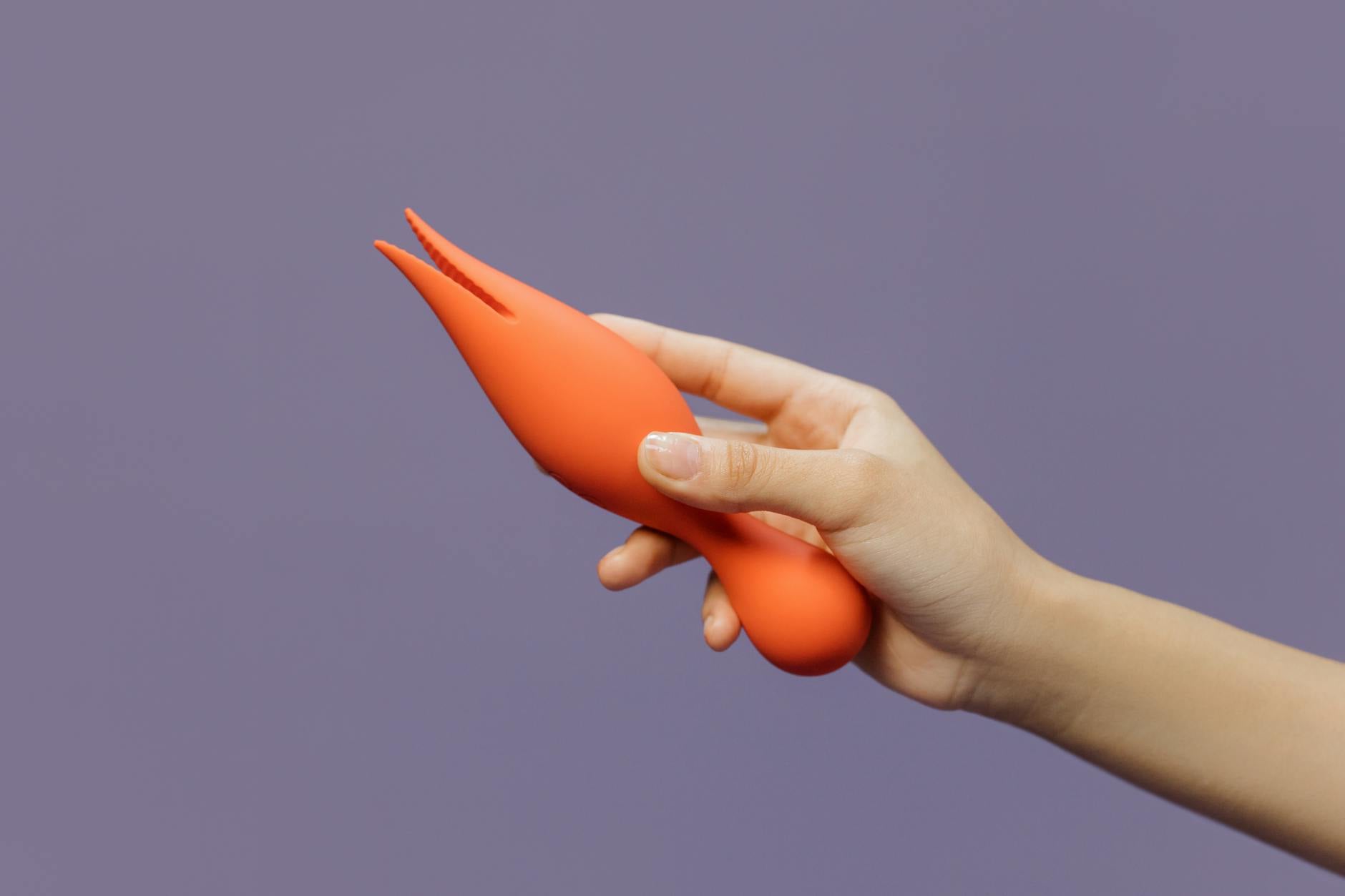
That's where a lemon clitoral vibrator like the Lem comes in. Not as a replacement for your partner, but as a tool to help you remember what pleasure feels like when you're the only one steering.
Why pleasure stagnates in long-term partnerships
Three things happen in most long-term relationships that quietly erode sexual connection. First, you stop prioritizing novelty. The bedroom becomes routine because life is full, and routines are efficient. Second, you stop communicating about what actually feels good. You assume your partner already knows, or you've convinced yourself that wanting something different feels like criticism. Third, you separate your own pleasure from the experience entirely. Sex becomes something that happens to you, or something you do for your partner, rather than something you actively experience.
None of this is personal failure. It's just how long-term relationships work when they're not actively maintained.
Here's the piece that surprises people. Rebuilding sexual connection with a partner often starts with solo exploration. When you relearn what turns you on, what speeds up your arousal, what intensity you actually want, you bring that information back to the partnership. You become less of an audience member and more of an active participant.
Why a lemon vibrator works better than starting alone
If you've been sexually dormant for months or years, jumping back into partnered sex can feel exposing. Your body might not respond the way it used to. You might feel self-conscious or frustrated. A clitoral vibrator removes some of that pressure because you're not waiting for your partner's rhythm or worrying about their experience. You can focus entirely on sensation.
Lemon vibrators, specifically air-suction designs like the Lem, work differently than traditional vibrators. Instead of direct vibration, they create waves of suction that stimulate the clitoral nerve endings without the intensity of mechanical vibration. This matters when you've been disconnected from pleasure for a long time. Your sensitivity might feel heightened, almost tender. Suction allows you to explore sensation at whatever intensity you need, scaling up slowly.
The five-step reset
Step 1: Create actual space. Not metaphorical space. Physical space where you know you won't be interrupted. This isn't about stealth or shame. It's about telling yourself, and your partner if you share a home, that this time belongs to you. Your nervous system needs to believe it's actually safe to explore. If you're listening for footsteps or watching the door, you won't access the deeper layers of arousal.
Step 2: Start without the toy. Before you introduce the Lem, spend time just noticing your body. Where do you feel aroused first. What kind of touch is comforting versus exciting. Some people have spent so long performing arousal for a partner that they've genuinely lost track of what authentic desire feels like in their own nervous system. Five to ten minutes of non-goal-oriented touch grounds you back in your own experience.
Step 3: Introduce the Lem at low intensity. Start at pattern one or two. The Lem has multiple suction patterns, and the urge is always to jump to the strongest sensation. Resist. Let your body adjust. Explore how different patterns feel on different parts of your vulva. The clitoris isn't one-size-fits-all. The head of the clitoris might prefer gentle suction, while the surrounding tissues might want more intensity. Spend several sessions just mapping out your own preferences.
Step 4: Notice what emerges. Sometimes people reconnecting with their own pleasure after a long gap notice fantasies, desires, or preferences they didn't know they had. Or they notice they want something completely different than they thought. Let that information come up without judgment. You don't have to act on it immediately. Just notice. Writing down what you learn is helpful. It grounds the insight and gives you something to reference later.
Step 5: Build slowly toward sharing. Once you've spent a few weeks reconnecting solo, you can start thinking about what you want to introduce to partnered time. This doesn't mean you have to use the lemon vibrator with your partner immediately. It might mean you're just more present and vocal about what feels good. It might mean you ask for a specific kind of touch. It might mean you try the vibrator together, with you controlling it, so you're the one stewarding your own pleasure even within the partnership.
What changes when you do this
Something genuinely shifts when someone stops waiting to feel pleasure and starts generating it themselves. Your partner often notices before you do. They notice you're more engaged, more responsive, more present in the moment. Paradoxically, using a toy alone often brings a couple closer together because one person is no longer silently resentful about unmet needs.
Communication also gets easier. When you know what you want because you've actually felt it, you can tell your partner without it feeling like criticism. "I love when you do X, and I also want to try Y" is a completely different conversation than "I haven't felt anything in months."
The biggest mistake to avoid
Don't frame this as a problem with your partner. Don't present the lemon vibrator as a correction or a fix for something they're doing wrong. The stagnation happened to both of you. Rebuilding pleasure is something you're doing for yourself, and as a side effect, for the relationship.
Also, don't use this as a test. Some people start exploring solo with the secret hope that reconnecting to their own pleasure will force a reckoning with their partner. Sometimes it does. But that's not the goal here. The goal is to remember what your own body is capable of feeling. What happens next in the partnership is a separate conversation.
When to bring it into the room
If you want to introduce the Lem to partnered sex, timing matters. Pick a moment when you're not trying to have sex for the sake of having sex. Pick a moment when you're already somewhat connected. Maybe you're in bed, maybe you're cuddling, maybe you've had wine and you're talking about something real.
Simply say, "I've been exploring what feels good to me, and I want to share that with you." You can use it on yourself while your partner watches. You can use it with your partner inside you. You can hand control to your partner so they can see what speeds you up. There's no script. But the principle is the same. Your pleasure matters and is worth experiencing, and your partner gets to be part of that if you choose to include them.
FAQ
How long does it usually take to reconnect with pleasure after years of stagnation?
It depends on how long you've been disconnected and what else is happening in your life. For some people, two or three weeks of solo exploration shifts things noticeably. For others, it takes two or three months of consistent practice. The key is consistency, not intensity. Ten minutes twice a week is better than one exhausting hour once a month. Your nervous system needs repetition to believe that pleasure is safe and available.
Will using a clitoral vibrator alone create distance from my partner?
Actually the opposite tends to happen. When someone is actively avoiding their own pleasure because they feel disconnected from their partner, shame and resentment build quietly. Those feelings create distance. Taking responsibility for your own sensation paradoxically often brings couples closer because the shame lifts. You're no longer waiting for your partner to solve something that only you can solve.
What if my partner feels threatened by the lemon vibrator?
This is common, especially if it's the first toy you're introducing to the relationship. Some partners feel like the toy is a replacement or implies they're not enough. The most useful conversation is direct and non-defensive. "This isn't about you not being enough. It's about me wanting to know my own body better. If you want, you can be part of that exploration." Some partners come around immediately. Some need more time. Some don't come around at all, and that's information worth having.
Is the Lem better than other clitoral vibrators for this specific situation?
Lem vibrators work particularly well when you're rebuilding pleasure because the suction sensation is gentler and more controllable than traditional vibration. But the best vibrator is the one that feels good to you. What matters is that you're choosing something designed for clitoral stimulation, that it feels safe in your hands, and that it has adjustable intensity so you can scale up as your comfort grows.
Can I use a lemon vibrator if I'm not actually attracted to my partner anymore?
This is a different question than the one this post addresses. If the stagnation is actually about a loss of attraction or a fundamental mismatch, reconnecting with your own pleasure won't fix that. It might illuminate it more clearly, which is actually useful information. But if the disconnection is situational. if you're attracted but overwhelmed or resentful or numb. then yes, reconnecting to your own body can genuinely help. Trust yourself to know which one you're dealing with.
What if I'm exploring this but my partner still isn't interested in having sex?
Then you have a partnership problem that requires conversation separate from the pleasure exploration. Mismatched desire is real and common, and it often requires either couples counseling, a serious talk about what you both need, or sometimes a difficult reckoning about compatibility. This post addresses reconnecting when there's stagnation but still mutual interest. If the interest isn't there on both sides, that's a different challenge entirely.
The real work starts when you stop waiting
Long-term relationships don't fail because passion fades. They fail when both people stop showing up for the parts that require intention. Pleasure is one of those parts. When you decide that your own arousal and sensation matter, and you start actively exploring that instead of waiting for your partner to create it for you, something shifts. Not just in you. In the relationship itself. The lemon clitoral vibrator isn't the solution. Your commitment to your own pleasure is. The vibrator is just a very good tool.
If you're ready to start exploring what feels good to you again, Helo Nancy's Lem is designed exactly for this kind of intentional, solo reconnection. And when you're ready to have a conversation with your partner about what you're discovering, we're here to help with that too. Reach out at /contact if you want to talk about how to navigate this transition with your specific relationship.