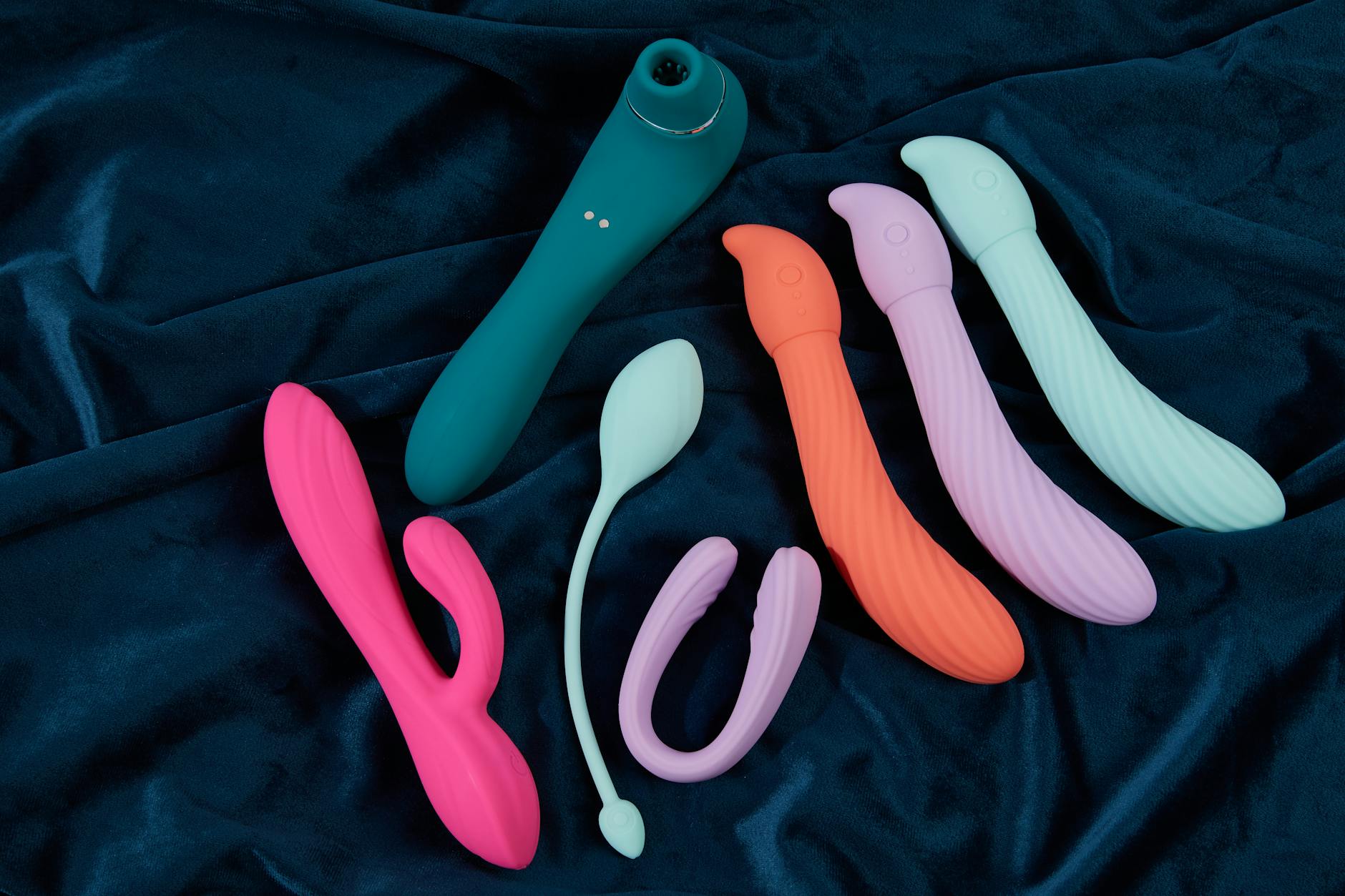
How to Use a Lemon Vibrator After Nerve Damage or Reduced Sensation
Let's be real. Nerve damage, diabetic neuropathy, chemotherapy aftereffects, or even certain medications can turn your clitoris into a stranger. You might feel dampened pressure where there used to be electric sensation. Or nothing at all. It's frustrating, isolating, and rarely discussed openly.
But here's the part nobody tells you: that numbness isn't permanent, and lemon vibrators work differently than traditional toys for people working with reduced sensation. The technology itself, plus a few tactical adjustments, can actually help rewaken nerves safely.
I've worked with clients navigating neuropathy, MS-related nerve changes, and medication side effects long enough to know that sensation can be rebuilt. Not overnight. But methodically, with patience and the right tool.
What nerve damage actually does to pleasure
Your clitoris contains roughly 8,000 nerve endings. When those nerves are damaged, inflamed, or misfiring, several things happen.
You might experience reduced sensation, where touch that used to feel vivid now feels muted. Some people describe it as touching the area through a glove. Others report total numbness in patches. And some experience dysesthesia, where sensation is distorted or painful.
The good news: nerve plasticity is real. Nerves can heal, reroute, and relearn responsiveness. It takes time and consistent, gentle stimulation. That's where a lemon clitoral vibrator enters the picture.
Unlike a wand vibrator or bullet that relies on direct vibration against tissue, a lemon sucker uses gentle air-pulse technology. It creates suction and release patterns that stimulate nerves without requiring you to feel pressure to experience the effect. This matters wildly for nerve damage.
Why lemon vibrators work better for reduced sensation
Traditional vibrators work through mechanical oscillation. They move back and forth against your skin and tissue. If your nerves aren't firing, you might need increasingly intense stimulation to feel anything. That intensity can cause pain, tissue irritation, or worse.
Lemon clitoral vibrators work through a totally different mechanism. Instead of vibration, they pulse air. That pulsing creates a suction effect that moves tissue and stimulates nerves without requiring you to feel direct pressure first.
Here's why that's crucial for nerve damage: suction stimulates your sensory nerves more efficiently than vibration does. The air pulse creates movement through the tissue itself, engaging deeper nerve pathways that might be less damaged than surface nerves.
Clients with neuropathy often report that they feel a lemon vibrator better than they feel a wand, even when the numb patches are still present. The sensation is different. Not better, different. But it's often enough to break through the flatness.
Starting with the lowest setting and staying there
This is non-negotiable. If you're working with reduced sensation, your instinct will be to turn up the intensity to chase the feeling. Don't.
The reason is your nervous system needs time to wake up. It's asleep, not dead. Bombarding it with high intensity when it's damaged is like shaking someone awake instead of gently opening the curtains. You'll get frustration and overstimulation instead of rekindled sensation.
Start with pattern 1 or 2 on your lemon vibrator. For most people, that feels almost apologetic. You might think, "This can't possibly work." Stay with it anyway.
Use that low setting for at least 3-5 sessions before moving to pattern 3. I know that feels slow. Nerve recovery is slow. A typical timeline for nerve regrowth is 1-3 millimeters per day. Your body is literally rebuilding connections. Impatience here backfires.
The warm-up ritual that resets your nervous system
Before you touch the lemon vibrator at all, spend 10-15 minutes on indirect stimulation. This preps your nervous system and increases blood flow to the area.
Try this: start with touch to your inner thighs, abdomen, or breasts. Use your hands or a soft item like a silk scarf. The goal isn't arousal. It's waking up the sensory pathways that feed into your genitals.
Then move closer. Touch your vulva gently, avoiding the clitoris for now. Your outer labia, your perineum, your inner thighs. Slow, present, no agenda. This isn't foreplay. It's nervous system activation.
Only after 10-15 minutes of this should you introduce the lemon vibrator. You're not rushing toward sensation. You're preparing your body to receive it.
Building a sustainable pleasure practice
When you're working with nerve damage, consistency matters more than intensity. One hour once a month won't rebuild anything. Gentle, regular touch does.
I recommend a 3-4 times per week practice. Not marathon sessions. 15-20 minutes with your lemon clitoral vibrator. If you find yourself reaching for higher patterns too quickly, set a timer. Stop at 20 minutes even if you don't orgasm.
Orgasm is not the goal here. Sensation rebuilding is. If an orgasm happens, that's a bonus. But many clients working with nerve damage need 4-8 weeks of regular, low-intensity stimulation before orgasm returns. That's normal. That's healing.
Here's what I tell every client: you're not trying to force pleasure back. You're creating conditions for it to return on its own timeline.
When to bring lubricant into the practice
If you have neuropathy, your tissue might also be less lubricated. Reduced nerve function sometimes means reduced natural lubrication, especially if hormonal changes are also at play.
Use a generous amount of water-based lubricant with every session. This serves two purposes. It protects tissue that might be more fragile, and it reduces the friction that your already-sensitive nerves have to process.
More lube means less effort required from your nervous system to process sensation. That leaves your body with more capacity to actually feel pleasure instead of managing pain or irritation.
Layering sensation: combining touch with the vibrator
After 2-3 weeks of consistent practice with the lemon vibrator alone, try this: use the vibrator at pattern 1, and simultaneously use your fingertips to gently touch nearby skin. Not directly on the vibrator, but on your inner thighs or outer labia while the vibrator works.
This layering creates what neuroscientists call "gate control." Multiple sensory inputs simultaneously can actually amplify signal and override the numbness.
It's not complicated. While the lemon vibrator pulses at your lowest setting, use two fingers to trace light patterns on your inner thigh or perineum. You're not adding stimulation to the same spot. You're adding a second point of gentle input nearby.
Many clients report that this combination breaks through numbness faster than the vibrator alone. It gives your nervous system multiple channels through which to rebuild sensation.
Tracking what's changing (without obsessing)
Keep a simple note on your phone. After each session, jot down a one-liner. "Felt more today." "Similar to last time." "Right side numb, left side tingling."
You're not looking for dramatic shifts week to week. You're mapping a slow trajectory. After 6-8 weeks, you'll look back and see that things have genuinely changed.
Nerve healing is incremental. Some weeks you'll plateau. Some weeks you'll notice jumps. Both are normal. The plateau means your nerves are stabilizing newly reconnected pathways. The jumps mean something's clicking back into place.
When to escalate intensity safely
After 4-6 weeks at pattern 1-2, if you're consistently feeling more, you can try pattern 3. Only if you want to. There's no requirement.
The move to a higher pattern should feel like a gentle experiment, not a push. If you jump to pattern 3 and suddenly feel overwhelming sensation or pain, go back to pattern 1. There's no finish line here.
Many people with nerve damage find they prefer staying at lower patterns permanently. That's completely valid. A lemon clitoral vibrator at pattern 1 can deliver genuine pleasure and orgasm. You're not failing because you're not blasting yourself at pattern 5.
The goal is pleasure on your terms, in your timeframe, at your level of restored sensation.
When to check in with a healthcare provider
If after 8-12 weeks of consistent, gentle practice you're not noticing any shifts in sensation, or if you're experiencing new pain or unusual symptoms, loop in your doctor. Sometimes nerve damage requires medical intervention beyond stimulation.
Topical compounded treatments, specific physical therapy for pelvic floor nerve recovery, or medication adjustments might help alongside your pleasure practice. These aren't instead of the lemon vibrator work. They're complementary.
If your nerve damage is related to diabetes or neuropathy, also check in about your overall blood sugar management. Blood sugar regulation directly affects nerve healing speed. Not sexy, but real.
The permission part
Here's what I want to leave you with: your pleasure matters, even during recovery. Especially during recovery. Rebuilding sensation with a lemon vibrator isn't indulgent. It's rehabilitation. It's your nervous system learning to feel again.
Take the time. Use the lowest setting. Show up consistently. Your body will remember what sensation feels like. It just needs you to be patient while it remembers.
People also ask
Can nerve damage from diabetes reduce clitoral sensation permanently?
Not necessarily. Diabetic neuropathy can flatten sensation, but with good blood sugar control, gentle stimulation, and time, many people regain some sensation. Nerve endings can regenerate at 1-3 millimeters per day, so recovery is slow but possible. Using a lemon vibrator at low settings over weeks or months supports this process by consistently engaging the affected nerves without causing additional irritation.
Is a lemon vibrator safer than other vibrators if I have neuropathy?
Lemon clitoral vibrators use air-pulse technology rather than direct mechanical vibration. This means they can stimulate nerves without requiring intense pressure or friction. For people with reduced sensation or nerve damage, that gentler mechanism often feels more effective and is less likely to cause overstimulation or pain. That said, always start at the lowest setting regardless of which toy you choose.
How long does it take to regain sensation after nerve damage?
It depends on the type and severity of nerve damage. Some people notice small improvements within 4-6 weeks of consistent, gentle stimulation. Others take 3-6 months. The key is regularity, not intensity. Your nervous system rebuilds through repeated, gentle input over time. Patience here genuinely helps. Pushing hard actually slows the process.
Can I use a lemon vibrator if I have numbness and also pain?
Yes, but carefully. If you experience both numbness and pain (dysesthesia), start at the absolute lowest setting and keep sessions short (10-15 minutes). Pain and numbness often coexist as the nervous system heals. The low-intensity suction from a lemon vibrator can help distinguish between the two sensations. If pain intensifies, stop and check with your provider. Pain shouldn't intensify with consistent, low-intensity practice.
Should I use more lubricant if I have reduced sensation from nerve damage?
Yes. Generous lubrication reduces friction and the mechanical work your nervous system has to process. This leaves more of your body's capacity available for feeling pleasure rather than managing irritation. Use a high-quality water-based lubricant generously with every session. Reapply as needed.
What's the difference between using a lemon vibrator and a wand for nerve damage recovery?
Wand vibrators rely on direct mechanical oscillation. They work well for many people, but if your nerves aren't firing, you might need to crank up intensity, which can cause irritation. Lemon clitoral vibrators use air-pulse suction, which stimulates nerves more efficiently without requiring high mechanical intensity. For nerve damage specifically, that gentler mechanism often works better. But everyone's nervous system is different. Some people find wands equally helpful. The best toy is the one that works for your body.
References and sources
Mayo Clinic. (2023). Diabetic Neuropathy. https://www.mayoclinic.org/diseases-conditions/diabetic-neuropathy/symptoms-causes/syc-20371580
Melzack, R., & Wall, P. D. (1965). Pain mechanisms: A new theory. Science, 150(3699), 971-979.
McMahon, S. B., Cafferty, W. B. J., & Marchand, F. (2005). Immune and glial cell factors in chronic pain. Current Opinion in Neurobiology, 15(5), 582-588.
National Institute of Neurological Disorders and Stroke. (2023). Peripheral Neuropathy: Fact Sheet. https://www.ninds.nih.gov/Disorders-and-Conditions/All-Disorders-and-Conditions-Landing-Pages/Peripheral-Neuropathy-Fact-Sheet
If you're working through sensation changes and want to explore what feels right for you, reach out to Hello Nancy. We're here to answer questions about lemon vibrators and finding the tool that fits your body's current needs.