Here's the thing nobody talks about
You don't have the same arousal clock. One of you could be ready in minutes. The other needs a proper buildup, and forcing it just makes resentment creep in. Most couples either pretend this isn't happening or they assume it means something's wrong with the relationship. Neither is true.
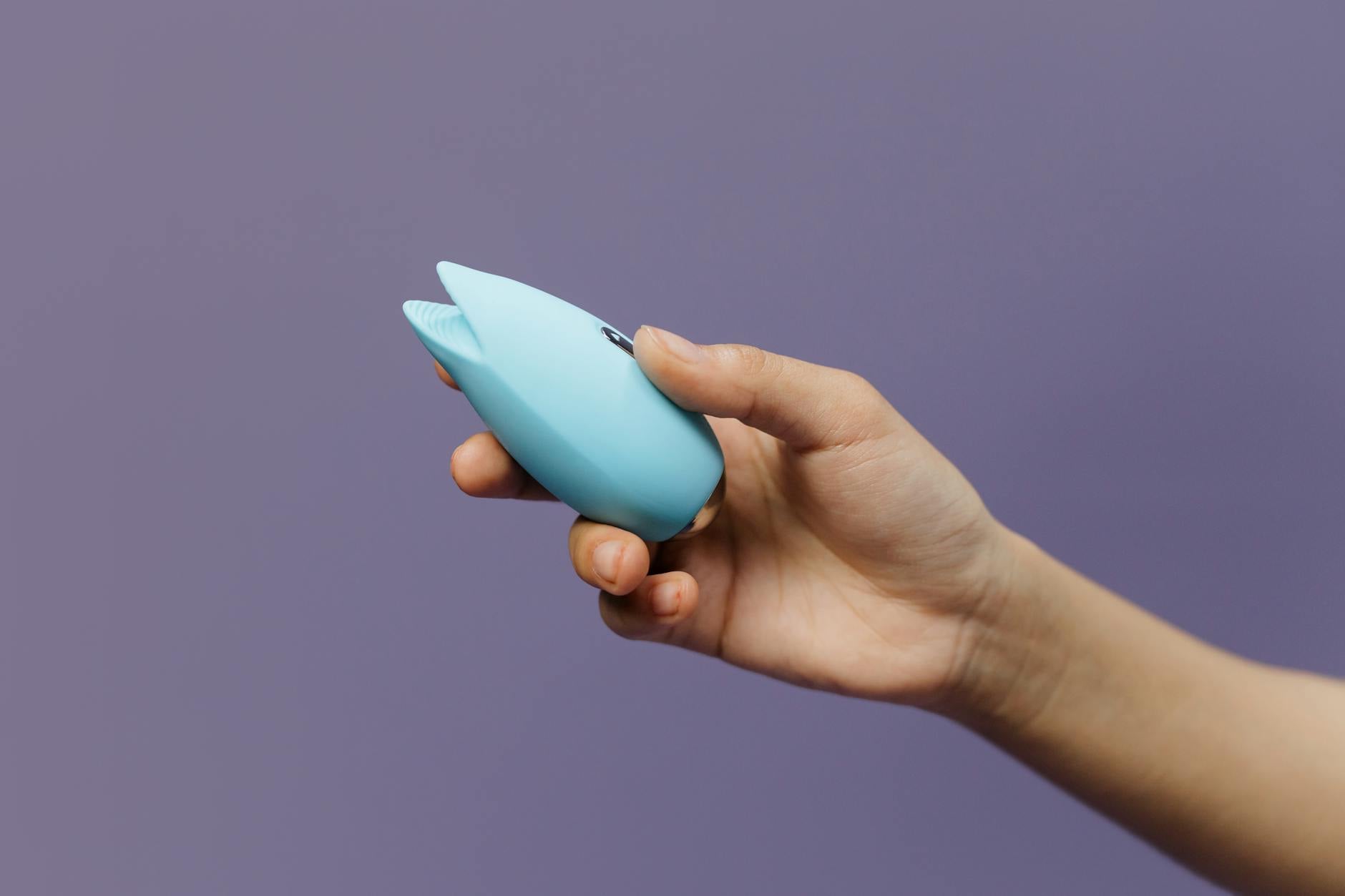
A lemon vibrator—a clitoral suction toy that works through gentle air-pulse stimulation—changes this dynamic completely. Not because it's magical, but because it gives you a way to work with different timelines instead of against them.
Why arousal speed mismatches happen
First, the biology. Testosterone and estrogen don't sync across bodies. Women's arousal tends to be context-dependent and responsive—it builds, sometimes unpredictably. Men's arousal is often more straightforward and faster, at least on average. But this isn't a rule. Plenty of women have hair-trigger responses. Plenty of men need extended foreplay.
Then there's everything else: stress, medication, hormone fluctuations, sleep, work anxiety. The person who needs longer foreplay today might be different tomorrow. And that's fine. It's actually really normal.
Where couples get stuck is thinking this requires a compromise that leaves someone frustrated. One partner speeds up, the other gets performance pressure, and suddenly sex feels like a negotiation instead of something you both want.
What a lemon vibrator actually solves
A lemon clitoral vibrator buys you time without dead air. If your partner needs longer to build arousal and you're already there, you have something to do that feels good and isn't just waiting. That sounds small. It's not.
Here's the actual dynamic: they're still getting foreplay. You're getting stimulation that feels good. Neither of you is bored or frustrated. And crucially, neither of you feels rushed. The faster-aroused partner doesn't feel like they have to pump the brakes. The slower partner doesn't feel pressure to speed up.
Lemon vibrators work particularly well for this because the suction sensation is unique. It doesn't depend on the same kind of direct touch that might desensitize the area. It's almost meditative to use alone while a partner does other things—kissing, touching, talking. It gives your nervous system something to focus on without requiring your partner to do anything special.
The practical setup that actually works
Let's say you're the faster one. Your partner comes to bed. You're already interested. Here's what works.
Start the foreplay you both actually enjoy. For some couples that's kissing and touch. For others it's conversation, or watching each other. Then, instead of waiting in that awkward liminal space while your partner gets their bearings, introduce the lemon vibrator into what you're doing together.
You might use it on yourself while they touch you elsewhere. Your clit gets direct stimulation. They get to participate and watch. The buildup happens faster for them because the visual and tactile feedback keeps them engaged.
Or they might hold the vibrator while they're inside you, adding clitoral stimulation to penetration. This changes everything about the experience because arousal feeds back into itself. The faster partner gets to feel the slower partner's body respond in real time. The slower partner feels double the sensation and arousal accelerates naturally.
The key: this isn't a toy you "use on someone." It's something you incorporate into what you're already doing. It's a tool for connection, not a substitute for it.
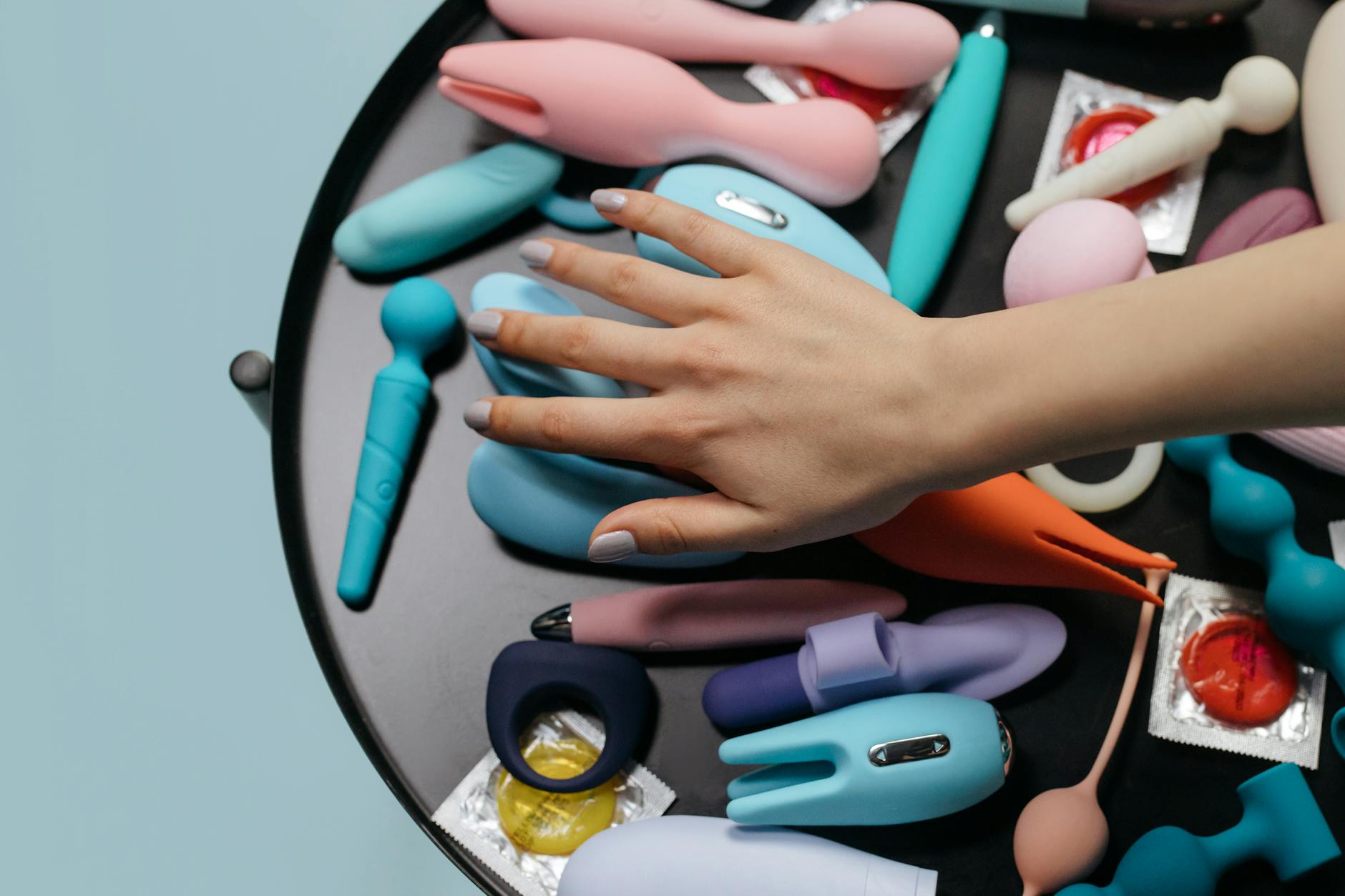
Photo by cottonbro studio on Pexels
Settings and intensity matter more than you think
Lemon vibrators come with multiple intensity levels. This is where most couples stop thinking strategically. They crank it to high and wonder why something feels off.
When you're using the vibrator with arousal speed mismatches, lower settings actually work better. Not because you need less intensity, but because lower settings give you more control over how fast things escalate. You can start at pattern one or two, build gradually, and adjust based on what you're both feeling.
This matters because if the faster-aroused partner gets too much stimulation too fast, they'll peak before the slower partner is ready. You're back to that frustration again. Gentle, sustained patterns let both of you track together.
Start low. Stay there longer than feels necessary. Then move up. The slower-aroused partner benefits because their body has time to catch up. The faster partner benefits because anticipation actually feels better than rushing.
The conversation that changes things
None of this works if you haven't actually talked about it. And I mean talked about it as equals, not as "something needs to be fixed."
Good opening: "I've noticed we have different speeds sometimes. I don't think that's wrong. I think we could actually enjoy this more if we stopped pretending they're the same." Then listen. The slower partner often feels shame about needing longer. The faster partner often feels guilty for wanting to move faster. You're both carrying things that aren't actually true.
Make the conversation about what would feel good, not about what's broken. "What would help you feel less rushed?" "What would help you feel more connected during foreplay?" "What setting or pattern sounds good to you?"
Then introduce the lemon vibrator as part of what you're already doing. Not as a fix. As a tool that lets you both have what you actually want.
When arousal mismatches signal something bigger
Sometimes different arousal speeds are just biology. Sometimes they point to something else: low desire in one partner, unresolved hurt, anxiety about sex, or just falling out of sync emotionally.
A lemon clitoral vibrator helps with the arousal timing issue. It doesn't fix low desire or emotional distance. If you're introducing a toy and one partner still feels disconnected or resentful, that's worth exploring separately.
Good sex with arousal mismatches needs two things: a practical tool that works (the vibrator) and honesty about what's actually happening emotionally. You can have both.
Rest and rhythm matter
Here's something I notice with couples: they assume they need to be in the same arousal state every single time. That's not realistic or necessary.
Some nights, you come to sex aroused. Some nights, you don't. Some nights, your partner is ready instantly. Some nights, they need to ease in. That flexibility is healthy. A lemon vibrator lets you honor that without creating a power dynamic where someone's always waiting or someone's always pushing.
On nights when you're both slower to warm up, you might spend longer with the vibrator, exploring patterns together. On nights when you're mismatched, you have something to do that feels intentional, not like you're just killing time.
Over time, this actually syncs your arousal more naturally. Because you're not fighting against your timelines, the pressure drops. When pressure drops, arousal often becomes more fluid.
Making it part of your normal
The couples I work with who do this best don't treat the lemon vibrator like a special-occasion thing. It's part of what they have. Sometimes they use it, sometimes they don't.
This removes the pressure. You're not bringing out the vibrator to solve an emergency. You're just choosing it because it feels good and fits what you're both doing that night.
Keep it accessible. Don't hide it. Talk about it the way you'd talk about any other part of your sex life. "Want to use the lemon vibrator tonight?" Casual. Collaborative. Built into your normal.
FAQ
Why do some people have faster arousal than others?
Arousal speed depends on hormones, baseline stress levels, past sexual experiences, medication, relationship factors, and individual nervous system sensitivity. There's no "correct" speed. Faster arousal isn't better, and neither is slower. They're just different, and most couples have one of each.
Will using a vibrator make me need one every time?
No. Some nights you'll want it. Some nights you won't. Introducing a toy doesn't rewire your body. It gives you an option. Most people who use clitoral vibrators with partners find they use them about half the time, depending on mood, energy, and what feels right that night.
What if my partner thinks the vibrator means they're not enough?
This is a real fear, and it's worth addressing directly. The vibrator isn't about them not being enough. It's about you both getting what you need. A lemon vibrator during partnered sex is actually collaborative—it's something you're doing together, not something that replaces what they're doing. Frame it that way, and most of that anxiety goes away.
How do I introduce a lemon vibrator if we've never used a toy before?
Start small. You might say, "I've been curious about trying a toy together. Not instead of what we do. Just as something to add." If your partner is hesitant, watch it together. Show them how it works. Let them hold it. Normalize it before you use it. And read our guide on how to use a lemon vibrator with a partner who's never seen one before for more detailed steps.
Can a lemon vibrator help if one partner has low desire?
A vibrator can help with arousal mechanics, but low desire usually has deeper roots: stress, relationship disconnection, medication effects, or loss of emotional intimacy. If low desire is the real issue, that's worth exploring separately. The vibrator helps once desire is present. It doesn't create desire from nothing.
What if we still feel out of sync even with a vibrator?
Then you're probably dealing with something beyond just arousal timing. It might be that you need longer foreplay. It might be that one partner's nervous system needs more time to downshift from work stress. It might be that you're not feeling as connected emotionally. A vibrator is a tool for the arousal timing piece. The other pieces need a different kind of attention—conversation, maybe a couples therapist, or just more intentional connection outside the bedroom.
The real shift
When you stop fighting your different arousal speeds and start working with them, something changes. Sex stops feeling like a schedule or a performance. It becomes something you're doing together, at your actual paces, with tools that let you both enjoy it.
A lemon vibrator isn't fixing a problem. It's letting you both have what you actually want. That's the whole point.