
Lemon Vibrator After Menopause: What Changes and What Stays the Same
Menopause changes pleasure. It does not end it. That distinction matters because most of what you've heard about menopause and sexual sensation falls into one of two unhelpful camps: everything stops working, or nothing really changes. Both are wrong, and both miss the nuance that makes this transition actually navigable.
Here's what actually happens physiologically when estrogen drops, and why a lemon clitoral vibrator often becomes more useful, not less, as you move through and past menopause.
What Hormonal Shifts Actually Do to Clitoral Sensitivity
When estrogen declines, tissue thickness in the vulva decreases. The clitoral hood thins. Lubrication becomes less automatic. The vaginal and clitoral tissues lose some of their plumpness and elasticity, which changes how they respond to stimulation.
But here's the part nobody explains clearly: losing tissue thickness does not mean losing nerve density. The clitoris has roughly 8,000 nerve endings, and menopause doesn't erase them. What changes is the speed at which those nerves fire up, the way arousal builds, and sometimes the type of sensation that feels best.
Many of my clients report that their orgasms shift in texture after menopause. They might feel more localized, less full-body, or sometimes more intense because the sensation concentrates in a smaller area. Some say they finally understand what an orgasm actually feels like without all the hormonal noise.
The key truth: capacity remains. Response changes. That's different.
Why Lemon Suction Technology Works Better After 50
A lemon vibrator, also called a clitoral suction toy, works differently than a traditional vibrator. Instead of direct friction or broad vibration, it uses gentle air-pulse suction to stimulate the clitoris and surrounding tissue.
For post-menopausal bodies, this matters. Here's why.
After menopause, direct vibration on thinned clitoral tissue can feel overstimulating, raw, or even painful for some people. You need gentler contact, but you might also need more deliberate, focused stimulation because arousal takes longer to build.
A lemon clitoral vibrator does both. The suction sensation doesn't rely on the same kind of mechanical friction that can irritate sensitive tissue. It engages the clitoris and the tissue surrounding it, which means you get broader stimulation from a more forgiving contact method. Lower settings on a lemon vibrator often feel richer and more satisfying to post-menopausal users than the gentlest setting on a traditional vibrator.
And because arousal takes longer to unfold, having a tool that can sustain interest over a longer warm-up period without becoming numbing is genuinely useful.
The Physical Changes Worth Understanding
Three things happen that most guides skip over.
Lubrication shifts. It's not that the body can't produce lubrication anymore. It's that it takes longer, and sometimes the amount is lighter than it was. A good water-based lube becomes not optional but genuinely helpful. Silicone lube feels richer but can degrade silicone toys, so stick with water-based if you're using a lemon vibrator.
Warm-up time lengthens. Where arousal might have built in five minutes at 35, it now takes 15 to 25 minutes. This is not a problem. It's a fact that changes how you approach solo or partnered sessions. Budget time. Lean into it. Many people find this actually improves their experience because it removes the pressure to perform quickly.
Pelvic floor tension increases. As estrogen drops, the muscles supporting the pelvic floor get less estrogen-fueled relaxation. Kegels help, but so does intentional relaxation. Learning to fully relax the pelvic floor (the opposite of Kegels) becomes more important post-menopause. A lemon vibrator doesn't fix this, but used with intention, it can help you notice and release tension rather than holding it.
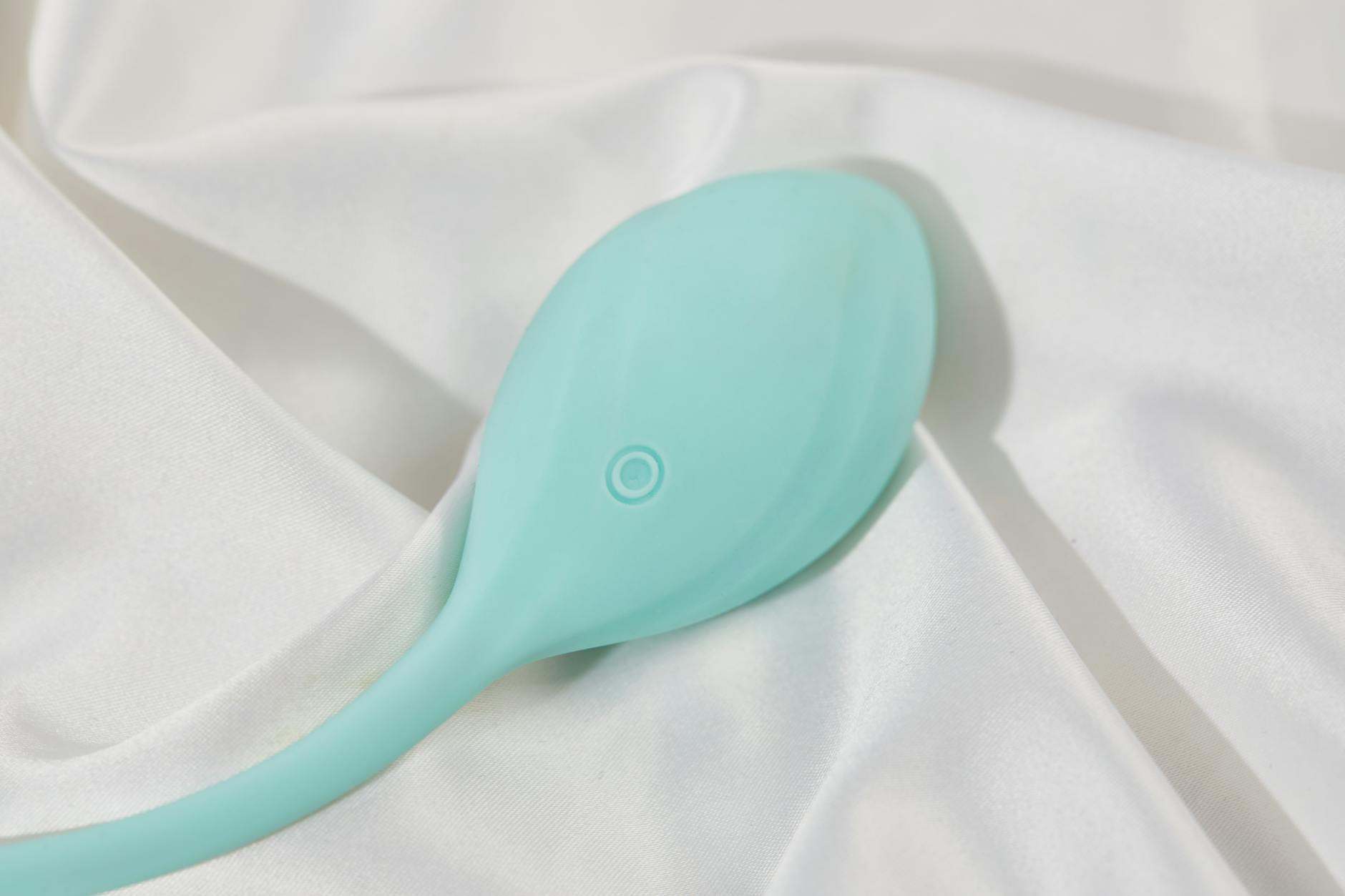
Photo by IFONNX Toys on Pexels
When Pleasure Deepens (Seriously)
I want to name something that gets lost in all the focus on what menopause takes away. A lot of my clients discover their best pleasure after menopause.
Three reasons this happens.
Mental clarity lifts a massive load. The cognitive overhead of cycling hormones, period management, and fertility anxiety goes quiet. For some people, that alone transforms the experience. The brain has more bandwidth for sensation when it's not managing other hormonal noise.
Permission arrives. Post-menopausal, you're no longer performing fertility or responding to a partner's timeline in the same way. Some people spend decades calibrating their pleasure around someone else's rhythm, and menopause creates space to explore what they actually want. That freedom changes everything.
Technique improves. You've had 30, 40, 50 years to learn your body. Most post-menopausal people I work with are far more attuned to what feels good than they were at 25. Combined with tools like a lemon clitoral vibrator that you can control precisely, that knowledge becomes powerful.
The research backs this up. Studies on sexual satisfaction across the lifespan consistently show that post-menopausal people report equal or higher satisfaction than pre-menopausal people in their 30s and 40s. The change is real. It's often positive.
How to Use a Lemon Vibrator Differently After Menopause
Four adjustments make the biggest difference.
Start with settings one through three. A lemon vibrator usually has five to seven intensity levels. Resist the urge to go higher just because you went higher at 40. The tissue is different. Lower settings often feel more interesting because the sensation can spread rather than concentrate. You can always increase intensity, but you can't undo overstimulation.
Use lube generously. Water-based lube isn't a consolation prize. It changes the entire sensation, makes everything more glide-y, and protects sensitive tissue. Apply before you start, and reapply if things feel dry. There's no prize for doing it raw.
Plan for longer warm-up. Set aside 20 to 30 minutes if you can, even for solo sessions. Spend the first 10 to 15 minutes on other forms of stimulation or just breathing and noticing sensation before introducing the lemon vibrator. Let arousal build naturally.
Pay attention to pelvic floor release. If you notice tension creeping in during use, pause. Breathe. Consciously relax the muscles around your pelvic floor. You might be holding tension as a protective habit. Noticing it and releasing it makes a real difference in both sensation and comfort.
When Desire Disappears and What Actually Helps
If you notice your desire has completely flatlined and isn't returning despite all of this, it's worth talking to a menopause-trained doctor.
Hormonal changes are real. Testosterone also drops during menopause (yes, people with vulvas produce testosterone, and it's a major driver of desire). For some people, testosterone therapy is genuinely life-changing. It's prescribed more cautiously in some regions than others, but it's available.
But desire loss often carries emotional weight too. Midlife brings career transitions, relationship shifts, grief, aging parents, body changes. Sometimes desire flatlines not because of hormones but because other parts of life are consuming you. Untangling those conversations is part of the work.
A lemon vibrator can rebuild confidence and reconnect you with sensation. It can't solve isolation or resentment. If both are happening, addressing both matters.
Pain During Sex After Menopause Is Treatable
If sex becomes painful after menopause, don't wait and don't assume it's permanent.
Genitourinary syndrome of menopause (GSM) is common, real, and highly treatable. Often a topical estrogen cream applied a few times a week transforms the experience within weeks. The absorption is local and minimal, so it's safe for most people who can't or won't take systemic hormone therapy.
Pelvic floor physical therapy also helps. A pelvic floor PT can teach you to release tension and restore mobility that estrogen loss affects. Combined with a lemon clitoral vibrator used intentionally, this often resolves pain and restores pleasure.
If your doctor dismisses pain as just part of menopause, find another doctor. Pain is fixable.
FAQ: Lemon Vibrators and Post-Menopause Pleasure
Does a lemon vibrator work if I've lost clitoral sensitivity after menopause?
Yes, often better than traditional vibrators. A lemon clitoral vibrator uses suction rather than direct friction, which means it can engage sensitive tissue without the same intensity. Start on lower settings and let sensation build over time. Many people find that the suction method creates arousal more gradually but also more lastingly than direct vibration.
How long should warm-up time be after menopause?
Plan for 15 to 25 minutes before introducing a lemon vibrator. This isn't a flaw. It's your body asking for patience, which often leads to richer sensation. Spend the first chunk on other stimulation, breathing, or just noticing sensation. Let arousal build before the lemon vibrator enters the picture.
Can I use a lemon vibrator if I have vaginal dryness from menopause?
Absolutely. Water-based lube is essential, not optional. Apply generously before you start, and reapply as needed. The combination of a lemon clitoral vibrator and good lube often feels better to post-menopausal bodies than either alone because the lube reduces friction while the vibrator creates sensation.
Will using a lemon vibrator make me feel numb over time after menopause?
No, not if you use rest days between sessions. If you're using a lemon vibrator several times a week, take at least one or two days off. This gives tissue and nerve endings time to reset. Numbness is usually a sign of overstimulation, not the toy itself.
Is it normal for orgasms to feel different after menopause?
Completely normal. Orgasms often feel more localized, sometimes more intense in that smaller area, and sometimes take longer to reach. This is not worse. It's different. Many people report that learning to tune into this new sensation actually deepens their pleasure.
Should I see a doctor before using a lemon vibrator after menopause?
If you have pain, significant dryness, or pelvic floor dysfunction, yes. A menopause-trained gynecologist or pelvic floor PT can rule out treatable issues like GSM or pelvic floor tension. If you're otherwise healthy, you don't need permission. Your pleasure is yours to explore.
The Bottom Line
Menopause is not the end of your sexual life. It is the middle chapter, and in many ways, the most interesting one. Your body changes. Your capacity for pleasure does not.
A lemon clitoral vibrator, designed to work with sensitive tissue using suction rather than direct vibration, often becomes more useful after menopause, not less. Combined with lube, patience during warm-up, and attention to what your body actually needs, it becomes a tool for reconnection and discovery.
Your pleasure matters. The version of pleasure you experience at 50 or 60 might look different from 30. It's often richer, deeper, and built on decades of knowing what you actually want. That's not a loss. That's an upgrade.
If you're navigating this transition and want to explore what works for your body, start with one of the lower settings on a lemon vibrator. Take your time. Notice what feels good. Trust that your capacity for pleasure is still very much alive. It just needs a slightly different approach.
Have questions about how to navigate pleasure, intimacy, or desire after menopause? Reach out to Hello Nancy. We're here to help you explore what feels good for your body and your life.