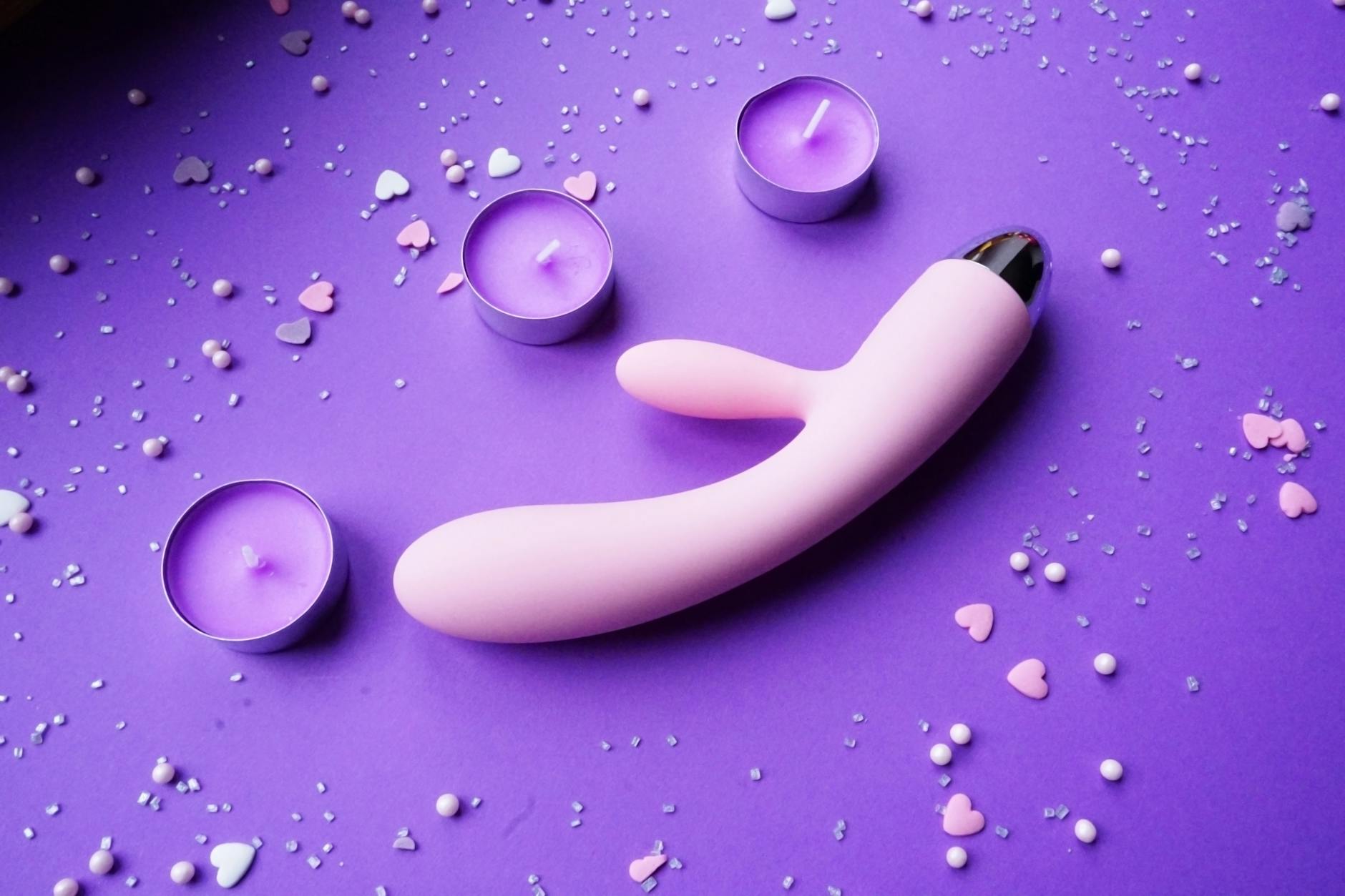
Here's the hard truth about endometriosis and sex
Endometriosis changes what feels good because it literally changes your pelvic anatomy. Lesions can grow on the ligaments that hold your uterus in place, on the fallopian tubes, on the bowel. When a partner moves inside you, these lesions get stretched and irritated. The result is pain that can range from a dull ache to something that stops everything.
The worst part? That pain can convince you that sex itself is off the table. It's not.
Why clitoral stimulation is different from penetration pain
Endometriosis lesions are deep. They're in your pelvis, on your reproductive organs and surrounding tissue. Clitoral stimulation doesn't reach them.
Your clitoris sits outside and above the vaginal opening. When you stimulate it, you're activating nerves in the vulva and the external clitoral body. There's no penetration, no internal pressure, no movement of the lesion-covered ligaments. The pleasure pathway is completely separate from the pain pathway.
This is why a lot of people with endometriosis find that clitoral orgasms are possible and sometimes even more intense than they were before diagnosis. The brain gets a clear message: pleasure here, no threat. Your pelvic floor can relax instead of bracing for pain.
Why the Lem works particularly well for endometriosis
Traditional vibrators rely on friction. You press them against your clitoris and they buzz. That works, but it requires you to actively move or position yourself, which can trigger pelvic floor tension if you're worried about pain.
A lemon vibrator uses suction and pulsing instead. The Lem, for example, creates a gentle seal around the clitoral head and releases rhythmic pulses of suction. This approach has three advantages for endometriosis:
No friction, no pressure. Suction pulls blood into the tissue without requiring mechanical force. If you have inflammation or sensitivity around the vulva, this is gentler.
Deeper, more localized sensation. The suction stimulates nerves that vibration sometimes misses. Many people with endometriosis report that this feels less like surface buzzing and more like something that reaches the actual clitoral structure.
Easier relaxation. Because the sensation is consistent and you're not moving, your pelvic floor naturally stays relaxed. Tension in the pelvic floor can actually amplify pain signals, so this matters.
How to set yourself up for success
Timing is everything when you have endometriosis. Your pain and inflammation shift throughout your cycle.
If you track your cycle, aim for the follicular phase (first half, after your period ends) when inflammation is typically lowest. If you're on hormonal birth control that flattens your cycle, pick a day when you're feeling least bloated and most comfortable. Don't push through pain to have pleasure.
Before you start, spend 10-15 minutes doing something that helps your body feel safe. A warm bath, gentle stretching, time with a partner or alone. Endometriosis teaches your nervous system to brace for pain, so consciously shifting into a relaxation state actually matters.
Photo by cottonbro studio on Pexels
The actual technique
Start on the lowest setting. You're not trying to rush to an orgasm. You're mapping what feels good without strain.
Position yourself comfortably. This might be lying on your back, on your side, or propped up. Some people with endometriosis find that lying flat on their back creates pelvic pressure they don't like. Experiment.
Apply water-based lubricant generously. Even if you're aroused, extra lubrication reduces friction and makes the suction feel smoother. This is not a sign that something is wrong with you. It's smart setup.
Bring the Lem to your clitoris and let the suction create. Don't press hard. Let the device do the work. You might feel the sensation immediately, or it might take 30 seconds for sensation to build. Both are normal.
If you feel any sharp pain or cramping in your lower abdomen, stop. That's different from the building pleasure you're aiming for. Sharp pain means something in your pelvic cavity is being activated, and you want to avoid that.
Building pleasure should feel like warmth, tingling, or a deepening pull of sensation. It should feel safe.
What to do if orgasm feels risky
Some people with endometriosis worry that orgasms will trigger pain because orgasms involve uterine contractions. This is a legitimate concern if you have extensive lesions on your uterus.
If that's you, you have two options. One is to enjoy the arousal and sensation without pushing toward orgasm. Pleasure without climax is real and valid, and sometimes it's safer for your body.
The other is to experiment carefully with orgasm in a way that feels controlled. Clitoral orgasms from suction tend to be more localized and less intense than blended orgasms (clitoral plus internal), so they often trigger less uterine activity. You might find that you can reach climax through the Lem safely when penetrative orgasm feels risky.
Talk to your pelvic floor physical therapist or gynecologist if you're unsure. They know your case and can give you specific guidance.
Building a sustainable pleasure practice
Endometriosis pain is unpredictable. Some days you'll want to use the Lem and feel great. Other days, touching your vulva might feel like too much.
This is not failure. It's you listening to your body. The goal is to have a tool available when your body says yes, not to force a schedule.
Many people with endo find that regular clitoral pleasure actually reduces pain over time. This might sound counterintuitive, but there's a reason. Pleasure increases blood flow and reduces pelvic floor tension. Regular, gentle stimulation can help your nervous system learn that the vulva is safe and pleasurable, not a threat.
Use the Lem when you want to. Rest when you need to. Track what helps and what doesn't. Your pleasure practice is yours alone.
The bigger picture
If penetration is painful, it's tempting to just give up on sex altogether. I see this a lot in my practice. But endometriosis is a pelvic pain condition, not a sex ban. It's changing which kinds of sex feel good, not eliminating the possibility of feeling good.
Clitoral vibrators like the Lem let you access pleasure your body can actually handle. That's not a compromise. That's intelligent adaptation.
Frequently asked questions
Can using a clitoral vibrator make endometriosis pain worse over time?
No. Clitoral stimulation doesn't trigger lesion growth or worsen inflammation because it's not touching the areas where lesions live. Regular clitoral pleasure might actually help by improving blood flow and reducing pelvic floor tension. That said, if you notice that a particular session leaves you with cramping or pain afterward, dial back the intensity or session length. Pain is your signal to adjust.
Should I avoid orgasm during my period when endometriosis pain is worst?
Maybe. Many people with endo experience peak pain during menstruation when the uterus is contracting anyway. Adding orgasm contractions on top of that might feel like too much. Listen to your body. If clitoral pleasure feels good during your period, use it. If it triggers cramping, skip it and come back after day two or three when inflammation is lower.
Can my partner use a lemon vibrator on me if I have endometriosis?
Absolutely, if you want them to. The mechanics don't change. What matters is that you're in control of intensity, you can easily say stop, and your partner understands that endometriosis pain is real and not something to push through. How to Use a Lemon Vibrator With a Partner Who's Never Seen One Before covers the communication piece.
What if I have pain during clitoral stimulation itself, not just with penetration?
That might signal vulvodynia or another condition happening alongside endometriosis. If your vulva hurts when touched, start at the absolute lowest setting and keep sessions very short (under 5 minutes). You might also benefit from talking to a pelvic floor physical therapist who can assess whether tension or nerve sensitivity is playing a role. Pleasure should not cause pain.
Does the Lem work better than other clitoral vibrators for endometriosis?
Clitoral vibrators of any kind are safer than penetrative options. That said, suction-based devices like the Lem have advantages over traditional vibrators for some people because they don't require friction or movement. How to Find the Right Lemon Vibrator Setting for Your Sensitivity Level walks through finding what works for your specific sensitivity.
Is it normal to feel nothing the first time I use the Lem with endometriosis?
Completely normal. If you've been avoiding pleasure because of pain, your nervous system might need time to trust that this is safe. Start with shorter sessions, focus on relaxation rather than outcome, and give yourself permission to explore slowly. Sensation often builds over multiple sessions.
The bottom line
Endometriosis changes which routes to pleasure feel safe. It doesn't close them off. A clitoral vibrator like the Lem lets you access orgasms without triggering the internal pain that makes penetration difficult. That's not settling. That's taking back your body.
Your pleasure matters. Your body's safety matters more. When you find the balance between them, you get to have both.