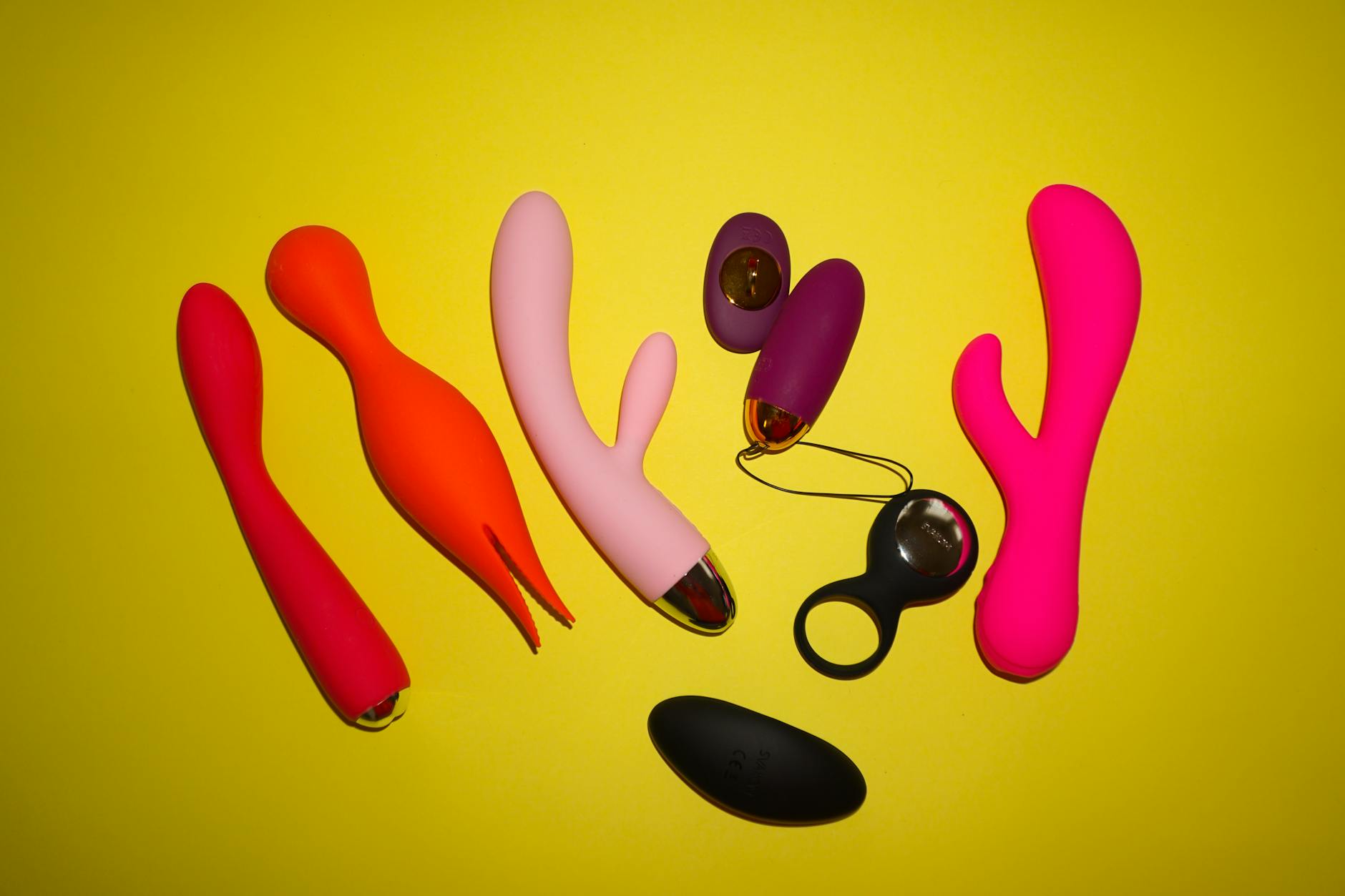
Let's be real about the first time together
When both partners bring a toy into bed for the first time, something completely different happens than when one person already knows what they're doing. There's no expert in the room. There's no template. That sounds like it could be awkward (and it can be), but it also creates this weird, wonderful permission to explore without judgment. You're both figuring it out.
The lemon vibrator changes this dynamic in ways that matter more than people expect.
Why shared novelty actually changes the physical experience
Here's something most couples don't realize. When you're both discovering a toy at the same time, your nervous systems are more synchronized. You're not performing for someone who's seen it all before. You're not wondering if they're secretly judging your body or your pleasure. That mental load lifts, and your body actually responds differently.
Physiologically, when both partners arrive at exploration with genuine curiosity rather than one person leading and the other following, arousal builds more steadily for both. Your partner isn't timing their response to yours. They're present in their own experience. That presence creates a feedback loop that changes everything.
Lemon clitoral vibrators work particularly well in this context because they don't require complicated introduction. There's no learning curve about intensity levels or technique. You turn it on. It works. The simplicity means less talking about logistics and more actual connection.
The psychological shift when you're both beginners
Honestly, shared vulnerability is hot in ways that the solo-pleasure industry doesn't really talk about. When your partner doesn't already know exactly what to do with a toy, they can't fall into the trap of performing expertise. They have to be curious. They have to ask. They have to notice your actual reactions instead of assuming.
This changes what pleasure feels like in your body. You're not managing their expectations. You're not performing an experience. You're generating one together.
The risk, obviously, is that newness brings anxiety. You might worry that introducing a toy means something's wrong with your sex life (it doesn't). Your partner might feel replaced or worry that the vibrator is "better" than them (a lemon vibrator is a tool, not a competitor). You might both freeze up wondering if you're doing it "right."
These are normal fears. Naming them before you get started is half the battle.
How to navigate the emotional minefield
Four things I tell couples who are both exploring toys for the first time.
First, separate the toy conversation from the relationship conversation. "I want to try something new together" is different from "I'm not satisfied." Say the first thing out loud before you touch anything.
Second, let your partner hold the toy first if they want to. Let them get curious about it without performance pressure. You don't have to use it on yourself immediately. You can watch them figure it out. You can laugh at the weird shapes. You can be playful instead of urgent.
Third, go slower than you think you need to. The whole point of shared exploration is that you get to take your time. Spend time just looking at it, touching it, running it over each other's skin without turning it on. This isn't rushing toward an orgasm. This is discovering.
Fourth, remember that the toy is a question, not an answer. If it feels weird the first time, that's not failure. Try it again in a week. Or try something different. You're not locked into the lemon vibrator because you bought it. You're just starting.
Why the lemon's design actually matters here
A lemon clitoral vibrator has a specific shape that works well for shared exploration because it's intuitive. There's no guesswork about angle or pressure. The contours are designed to fit how bodies actually work. When you're both learning, that clarity helps. You're not troubleshooting the toy. You're just discovering sensation.
The vibration pattern on a lemon vibrator is also relatively straightforward. This isn't a toy with seventeen settings that you have to decode. You can focus on feeling instead of fiddling with buttons.
When both partners are new to toys, that simplicity means less distraction and more presence. Your partner doesn't have to wonder if they should be changing settings. You don't have to explain what each button does. You just experience.
The vulnerability piece that changes everything
Here's something nobody tells you. The first time your partner watches you have an orgasm with a vibrator that they're helping you use, something shifts in how they see you. It's not about the toy. It's about watching you be fully yourself without restraint.
Similarly, when you watch your partner discover their own pleasure with you in the room, you get access to a version of them that you don't always see. That vulnerability, if you hold it carefully, becomes one of the most connecting experiences you can have as a couple.
This is what changes when you're both exploring for the first time. It's not just about the vibrator. It's about bearing witness to each other's pleasure without pretense.
What to expect in the first week
The first time you use a toy together won't be your best experience with it. It probably won't be your worst either. It'll be awkward and curious and maybe a little funny. That's exactly right.
By the third or fourth time, your body starts to remember the sensation. Your partner starts to understand what you're responding to. You both relax. The toy becomes less novel and more just a regular part of how you connect.
Some couples find that introducing a toy together actually deepens their overall intimacy. Not because the toy is magic, but because they've opened a conversation about pleasure that was previously closed. And that conversation, once started, keeps going.
Common questions couples have
Q: Will my partner feel replaced? A: Only if you let the conversation happen in the wrong order. Talk about the relationship first. "I want us to explore together" is a very different message than "I need this because you're not enough." The first one brings you closer. The second one creates distance.
Q: What if one of us has an orgasm and the other doesn't? A: That's fine. You're not on the same timeline and you don't have to be. The goal isn't synchronized orgasms. The goal is shared exploration. Sometimes one person comes. Sometimes both do. Sometimes neither does and you just spent time together being playful.
Q: Is it weird to watch my partner use the toy on themselves? A: Not even a little bit. It's actually one of the hottest things you can do as a couple. You get to see what they actually like without having to guess.
Q: What if we try it and it feels weird? A: Put it away for a week. Try it again when you're both feeling calmer. Or try a different toy. Or just decide it's not your thing. You're not locked into this.
Q: Should we make a whole production out of it? A: You can if you want, but you don't have to. Sometimes the best toy exploration happens just before sleep or on a lazy weekend morning when there's no pressure for anything specific to happen.
Q: How do we know when we're ready? A: When you can talk about it without anxiety. When you both genuinely want to try something new together. When you're curious instead of desperate. If you're using the toy to fix a broken connection, that's not the right reason. If you're using it to deepen an already solid one, that's exactly right.
The thing nobody says out loud
Introducing toys as a couple is less about the toy and more about creating safety around pleasure. When you both approach it with openness instead of expertise, you're saying something really important to each other. You're saying "Your body matters. Your pleasure matters. And I want to be here for all of it."
That's the real shift that happens when both partners are exploring for the first time. It's not about the lemon vibrator. It's about building a relationship where pleasure is a shared language instead of a solo act.
If you're thinking about introducing a toy with your partner for the first time, start with that conversation. The toy is just permission to have it. The conversation is where the real magic happens.