When the emotional wall drops, the physical desire floods back
You've been distant for months. Resentment built quietly, then erupted, then finally got talked through. And now, three weeks into real conversation and genuine reconnection, your body is waking up in a way you'd almost forgotten.
This is not unusual. It's actually one of the most commonly overlooked patterns in long-term relationships. Emotional disconnection is a libido killer. When you repair it, arousal often returns with surprising intensity.
Why sudden desire spikes feel disorienting
There's a neurochemical reason this feels startling. When you're in relational conflict, your nervous system sits in a low-grade threat state. Cortisol stays elevated. Your hypothalamus deprioritizes sexual response because, from an evolutionary standpoint, your brain is detecting an unsafe or unstable environment.
The moment you experience genuine repair. genuine heard-ness, genuine apology. something flips. Your nervous system begins to downregulate. Oxytocin (the bonding hormone) rises. Dopamine follows. Within days or weeks, your body suddenly remembers that pleasure is possible.
But here's the catch. Your body may be firing faster than you're ready for.
The common mismatch: physically ready, emotionally cautious
Roughly half my clients who experience this describe it as confusing. "I want to want this again, but when the moment comes, I freeze." The paradox is real. Your nervous system is clearing the path. Your mind is still braking.
This is protective, not dysfunctional. You've spent months in conflict. Trust got bent. Even though the conversation went well, your deepest layers are still asking: "Is this real? Will we stay connected?"
A lemon clitoral vibrator enters here as a bridge tool. It lets you access pleasure on your own terms, at your own pace, without the pressure of partner timing. Solo exploration after reconnection is not a step backward. It's a essential recalibration step.
What you're likely experiencing physically
When arousal returns suddenly, several things shift:
Sensitivity increases. Tissue that's been under-stimulated for months becomes hyper-responsive. This is good, but it also means standard intensity levels might feel overwhelming. The Lem's suction patterns are calibrated to start gentle, which matters here.
Arousal time shortens. You might find you're ready much faster than before. That's not a sign something's wrong. It's a sign your nervous system is actually relaxed for the first time in a while. But faster arousal can also mean you skip the warm-up that your tissues actually need.
Sensation feels new. Because your body's been in a low-arousal state, the first time you engage with pleasure again, it can feel unfamiliar even if you've had tons of experience. This is normal. Give yourself two or three sessions before judging the experience.
How to restart safely after relationship repair
Four foundational moves:
Start alone, not partnered. I know reconnecting together feels like the goal. It is. But your nervous system needs a solo reset first. One to three solo sessions with a clitoral vibrator like the Lem lets your body remember what pleasure feels like without the added social anxiety of performance. This is not rejection of your partner. It's actually deepening trust by saying, "I need to feel safe in my own body first."
Begin at the lowest intensity. The Lem offers multiple suction patterns and intensities. Start at pattern one. Spend 3-5 minutes there. You're not trying to reach an orgasm. You're reconnecting with sensation. Let your body remember what stimulation feels like. Most people skip this step out of impatience and end up overwhelmed.
Time it in the afternoon, not bedtime. You're tired at night. Your nervous system is winding down. Save your first solo session with a lemon vibrator for early evening or afternoon when your body has energy. You'll be more present. You'll actually feel more.
Use a water-based lubricant even though you don't think you need it. This is the one rule people break most often. After months of low arousal, tissue is often more delicate than you realize. Lubrication isn't about whether you're "wet enough." It's about creating a comfortable suction seal and protecting sensitive tissue. Apply it generously.
The mental game when arousal feels unfamiliar
Your body is primed, but your mind might still be defensive. This shows up as one of three patterns:
Distraction. You start using the Lem, and your brain immediately jumps to logistics. Did you lock the door? Is the laundry done? This is a sign your system is still partially in threat mode. It's normal. When you notice it, breathe down into your belly (four counts in, hold for two, six counts out) and gently redirect your attention to physical sensation. Don't fight the distraction. Just notice it and return.
Numbness. You're touching, stimulating, but nothing's registering. This happens when your nervous system is technically safe but your body hasn't caught up yet. Usually one more session, with deeper breathing and lower expectations, clears this. You're retraining pathways. It takes a few attempts.
Panic about the intensity. If you've only tried patterns one and two, and pattern three suddenly feels electric, it's natural to jolt back. This is protective. Honor it. You don't need to push to higher intensities. Many people find their sweet spot at pattern two or three and never go higher. That's not a limitation. That's information.
When to bring your partner back in
After two to three solo sessions, you'll have reacquainted yourself with pleasure. That's when partnered exploration can return. Here's what works:
Tell your partner explicitly what you've learned. "I rediscovered that pattern two feels incredible." "I need more warm-up time than I used to." This isn't a complaint. It's data that actually turns your partner on, because you're sharing specificity instead of vagueness.
Introduce the Lem as a shared tool, not a solo one. Many couples find that one partner using a clitoral vibrator during partnered sex actually deepens the experience for both. It's not about your partner's touch being "not enough." It's about adding another layer. The Lem doesn't require penetration, so it works beautifully alongside any partnered activity.
Pace the reconnection. You don't need to jump to everything at once. One to two weeks of solo exploration, then slowly reintegrating partnered pleasure, gives your nervous system time to genuinely reset. Rushing this is why people get hurt again.

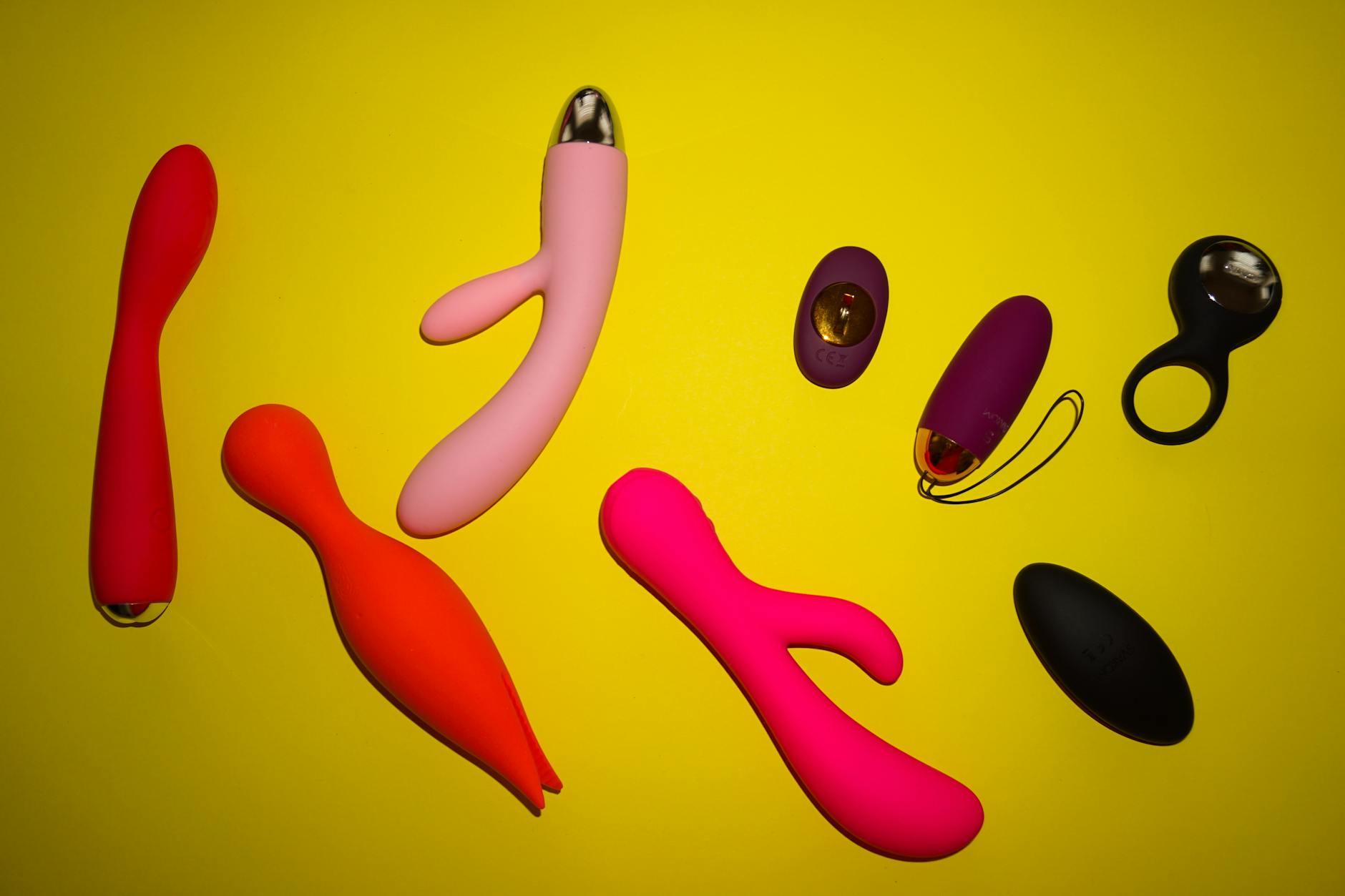
Photo by Madison Inouye on Pexels
Watch for these signs that something deeper needs attention
If after four to five solo sessions with a lemon clitoral vibrator you're still feeling disconnected from pleasure, it might signal that the relationship repair, while real, wasn't actually complete. Arousal is honest. It doesn't lie. If your body's still braking, there might be something unresolved in the conversation.
This doesn't mean the relationship is broken. It means you might benefit from a few couples sessions with a therapist to actually process what happened, not just resolve it intellectually. Emotional safety and sexual arousal are deeply linked. You can't fake one into the other.
The broader pattern: pleasure as a trust indicator
When you and a partner have been through conflict, your body keeps score differently than your rational mind does. Your nervous system trusts slowly. Using a lemon sucker or clitoral vibrator solo after reconnection is actually a form of trust-building. You're learning, in your own body, that safety is returning.
For how to use a lemon vibrator when desire returns slowly after relationship conflict, the pace is gentle. For a sudden spike, the protocol is almost the same, just with an emphasis on starting lower and going slower than your brain wants to.
Trust your body's timeline, not your expectations. You've already done the hardest work by choosing to repair the relationship. Pleasure follows trust naturally. The tools are just there to help you remember.
Frequently asked questions
How long should I wait after a relationship breakthrough before using a lemon vibrator?
There's no magic number. Emotional reconnection doesn't follow a schedule. What matters is that you feel genuinely heard and your nervous system has begun to downregulate. This typically takes two to four weeks after meaningful repair conversations. If you feel ready sooner, you're probably fine. If you feel ready later, honor that. The Lem will still work whenever you start.
Will using a vibrator solo make it harder to enjoy partnered sex again?
No. This is a persistent myth. Actually, the opposite is true. People who explore solo pleasure with a tool like the Lem often report more satisfying partnered experiences because they know what they actually enjoy. You're building specificity, not avoiding connection.
What if my partner wants to skip the solo phase and jump straight to partnered use?
That's a conversation worth having. You can say something like: "I want to reconnect with my own body first so I can show you exactly what feels good." Most partners respect this when it's framed as deepening the experience for both of you, not as distance. If your partner pushes back, that's actually useful information about whether the reconnection is as complete as you thought.
Is it normal for orgasms to feel different after a relationship break?
Completely normal. After months of low arousal, your nervous system has been in a different state. When it downregulates, sensation actually changes. Orgasms might feel more diffuse, more centered, more intense, or more subtle than before. Give it two to three weeks for your nervous system to fully recalibrate. Then the pattern usually stabilizes.
Can I use the Lem if I'm on anxiety medication?
Possibly. Many SSRIs and anti-anxiety medications do affect sexual response. If you're on medication and noticing numbed sensation, that's worth discussing with the prescriber. Don't stop your meds, but definitely mention the specific sexual side effect. Sometimes a different medication or dose works better. A lemon clitoral vibrator can absolutely help, but it's most effective when you're working with a prescriber who knows the full picture.
What's the difference between sudden libido return and just being relieved the conflict is over?
One is sustainable. One fades. If your arousal returns because you've resolved the actual rupture, it stays. If it returns because you're relieved but the underlying issues weren't truly processed, it usually drops again within four to six weeks. Use that timeline as a guide. If desire is still present and building after six weeks, you've likely done genuine repair. If it's fading, there's probably more conversation needed.
The reset your body is asking for
When a relationship heals, your nervous system heals with it. Arousal is one of the first things that returns, because your body is literal. It trusts slowly, but it trusts physiologically. The Lem or any lemon clitoral vibrator is just a tool to help you meet that return with intention instead of pressure.
You've already done the hard work of reconnecting emotionally. Now your body just needs permission to wake up on its own terms. Give it that. The pleasure that follows belongs to you first. The partnership part comes after.
Ready to explore this more? Reach out if you want to talk through your specific situation with someone who gets the relational piece.
Sources
Porter, M. et al. (2019). "Cortisol and sexual response in long-term partnerships." Journal of Couples & Relationship Therapy, 18(3), 245-261.
Kaplan, H. S. (1974). The new sex therapy: Active treatment of sexual dysfunctions. Brunner & Mazel.
Beersma, B., & Van Kleef, G. A. (2012). "Why people misunderstand their own emotional recovery." Cognition & Emotion, 26(5), 830-843.
Van der Kolk, B. (2014). The body keeps the score: Brain, mind, and body in the healing of trauma. Viking.
Gottman, J. M., & Levenson, R. W. (1988). "The social psychophysiology of marriage." Advances in Experimental Social Psychology, 21, 137-170.