Let's name what's happening
Thinning tissue isn't weakness. It's a shift. Atrophic tissue (the technical term for thinned, drier tissue in the vulva and vagina) happens for real reasons: dropping estrogen, reduced blood flow, certain medications, or healing after surgery or childbirth. Your tissue is doing exactly what it's designed to do given the circumstances.
But here's the thing nobody says clearly: thinning tissue changes what feels good, and it deserves a different approach.
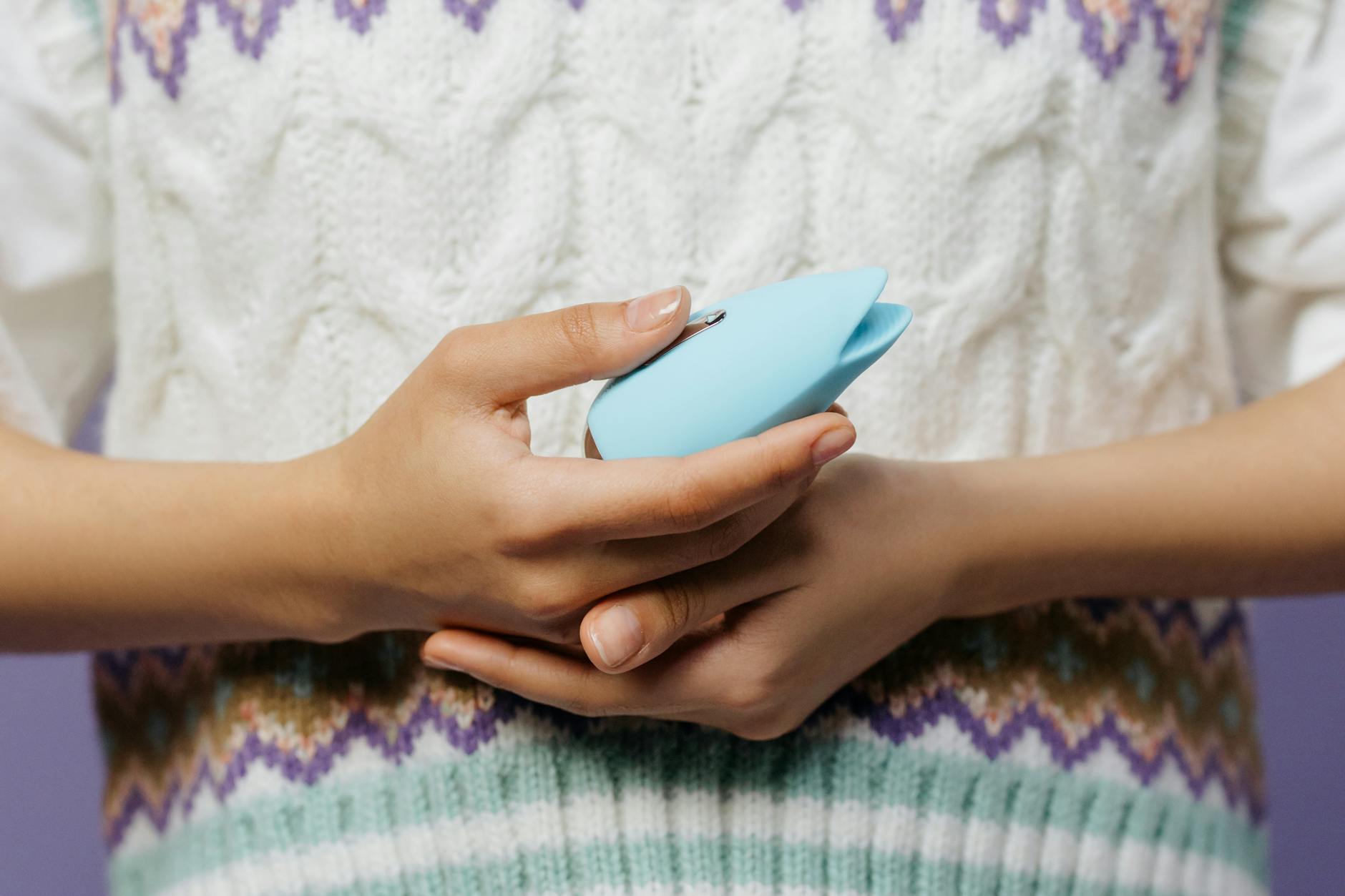
A lemon vibrator, with its gentle suction mechanism, is actually one of the smartest choices for this situation. Unlike traditional vibrators that rely on direct friction, a clitoral vibrator using suction creates stimulation through gentle pressure waves rather than harsh contact. But even suction needs tweaking when tissue is fragile.
Why tissue thins and how it affects sensation
When estrogen drops, the vulvar tissue thins, loses elasticity, and produces less natural lubrication. The clitoris doesn't shrink exactly, but the protective hood around it becomes less cushioned, which means direct pressure can feel too intense or even uncomfortable. At the same time, blood flow to the area decreases slightly, which means arousal takes longer to build.
This is why direct vibration can feel sharp instead of pleasurable. This is also why a lemon sucker, designed to work through gentle suction rather than buzz, often feels more manageable.
The complicating part: thinner tissue is also more prone to irritation. Friction without adequate lubrication can lead to micro-tears that you won't feel in the moment but that create discomfort afterward. Prevention here is everything.
The four-step adjustment protocol
Step 1: Lubrication is not optional.
Use a water-based lubricant generously. Not a tiny dab. Coat the entire vulva and reapply as you go. This creates a protective layer between the suction and your tissue. Hyaluronic acid lubricants are particularly good here because they mimic the body's own moisture and aren't sticky. Silicone lubes feel richer but can damage a silicone toy like the Lem.
Apply lube before arousal even begins. Let it sit for 30 seconds. This step prevents the sharp or grabby sensation that makes people think suction toys aren't for them.
Step 2: Start at the lowest setting.
The lemon vibrator has multiple suction patterns and intensities. Start at pattern 1 or 2 at the lowest intensity setting. Your instinct will be to crank it up. Don't. Your tissue doesn't need intensity right now. It needs consistency and patience.
Spend 3 to 5 minutes at this lowest level. Your clitoris will wake up. Blood flow will increase. Tissue will plump slightly. Only then should you consider moving to a slightly higher intensity.
Step 3: Focus on the outer clitoris first.
When tissue is thin, the direct glans (the most sensitive part) can feel overstimulated quickly. Position the lemon vibrator so it's creating suction around the clitoral area rather than directly on the tip. This distributes pressure more evenly and feels less sharp.
Many people with thinning tissue find that working the external vulva, the labia, and the general clitoral region for 10 to 15 minutes before narrowing focus on the glans changes everything. Patience compounds pleasure here.
Step 4: Build arousal deliberately.
Thinner tissue responds better when you're genuinely aroused. That means spending time on mental arousal first. Read something, think about what you want, watch something, or simply breathe into your body. Don't expect the vibrator to do all the work.
Arouse yourself mentally. Then use the lemon vibrator as the final tool, not the first one. The difference this makes is dramatic.
What to avoid
Don't use a dry toy. This creates friction instead of suction and defeats the whole point of choosing a suction vibrator in the first place.
Don't jump directly to fast patterns. Intensity without gradual build feels jarring and can create soreness. The reward for patience is genuine, sustained pleasure.
Don't assume numbness means you need to go harder. Numbness actually means your tissue needs a break, more lubrication, or longer arousal time. Going harder creates irritation, not sensation.
Don't compare your timeline to anyone else's. Someone without thinning tissue might reach orgasm in 8 minutes. You might need 20. Both are completely normal.
The role of estrogen and when to talk to your doctor
If thinning tissue is tied to low estrogen (menopause, perimenopause, or certain health conditions), topical estrogen creams can genuinely help. A low-dose vaginal estrogen applied 2 to 3 times weekly increases tissue thickness and elasticity within weeks. Systemic absorption is minimal, so it's safe for most people even with health concerns.
This isn't about forcing yourself to have sex the way you used to. It's about giving your tissue the support it needs to respond well to stimulation you actually want.
If you notice persistent pain, bleeding, or unusual discharge after using a vibrator, see a gynecologist or sexual health specialist. Thin tissue is delicate, and a medical professional can rule out tears or infection quickly.
Rebuilding pleasure after discomfort
Here's what I see clinically: people who've had uncomfortable experiences with vibrators often conclude that suction toys aren't for them. Usually what happened is they didn't have enough lubrication, started at too high an intensity, or weren't adequately aroused.
If you've had that experience, here's the reset: start over with the four-step protocol above. Use more lube than feels necessary. Go slower than you think you need to. You're teaching your nervous system that the lemon vibrator feels good, not threatening.
Most people find their pleasure rebuilds within 3 to 5 sessions. By session 2, the sensation shifts from uncomfortable to interesting. By session 5, it's genuinely pleasurable.
This is why technique matters. This is why starting gentle isn't giving up. It's actually how you get to the intense, satisfying sensation you want.
When to use the lemon vibrator with a partner
If you have a partner, this is worth a conversation. Thinning tissue isn't about performance or attraction. It's a physical change that both of you benefit from understanding.
Take the pressure off. Don't frame the lemon vibrator as a Band-Aid for a problem. Frame it as a tool you both get to explore. Let your partner apply the lubricant. Let them choose the setting with you. Build this as a shared experience rather than solo troubleshooting.
Partners often find that the slowness required here actually deepens connection. You're not rushing. You're not performing. You're just present together.
Check out how to use a lemon vibrator with a partner who has a different arousal speed for more specific guidance on syncing your pleasure.
The long view
Tissue changes, and that's okay. Pleasure changes shape, and that's also okay. A lemon clitoral vibrator, combined with patience and proper technique, is often more effective for thinning tissue than traditional vibrators.
You don't have to choose between comfort and sensation. You can have both. You just have to be willing to slow down enough to find it.
Frequently asked questions
Can I use a lemon sucker if I have genitourinary syndrome of menopause (GSM)?
Yes, and it's often a good choice. GSM causes thinning, dryness, and irritation, all of which respond well to gentle suction rather than direct vibration. Use plenty of water-based lubricant, start at the lowest setting, and consider pairing it with topical estrogen cream prescribed by your doctor. The combination of medical support plus gentle stimulation works really well.
How much lubrication is actually enough?
More than you think. Generously coat the entire vulva before starting, and reapply every 3 to 5 minutes if you're having a longer session. When tissue is thin, the margin between comfortable and uncomfortable is small. Lubrication is your safety net.
Will using a lemon vibrator make my tissue thinner?
No. Using a toy with proper technique and lubrication won't worsen atrophy. What actually helps prevent further thinning is regular sexual activity (which increases blood flow) and, if appropriate for you, topical estrogen therapy. A lemon vibrator supports both of those goals.
What if I still feel pain or sharp sensation even with lube and low settings?
Stop and give your tissue a break. Pain is information. It might mean you need more arousal time before using the toy, you need even more lubrication, or you need medical evaluation. See a gynecologist if sharp pain persists, because tissue tears or infections need professional attention.
Can I use a silicone-based lube with my lemon vibrator?
No. The Lem and other silicone toys can be damaged by silicone lube. Stick to water-based or hyaluronic acid lubricants. They work beautifully with thin tissue anyway.
How long does it take to feel comfortable with a lemon vibrator if I have thinning tissue?
Most people see a shift within 3 to 5 sessions using the protocol outlined here. By session 2, the experience usually goes from uncomfortable to neutral. By session 5, it's often genuinely pleasurable. Consistency matters more than frequency.
What happens next
Your tissue deserves care, and that care is practical. Lower settings, more lubrication, longer arousal time, and patience aren't compromises. They're the actual conditions under which pleasure happens for you right now.
If you have questions about which approach fits your situation best, reach out to us at /contact. We're here to help you find what works.