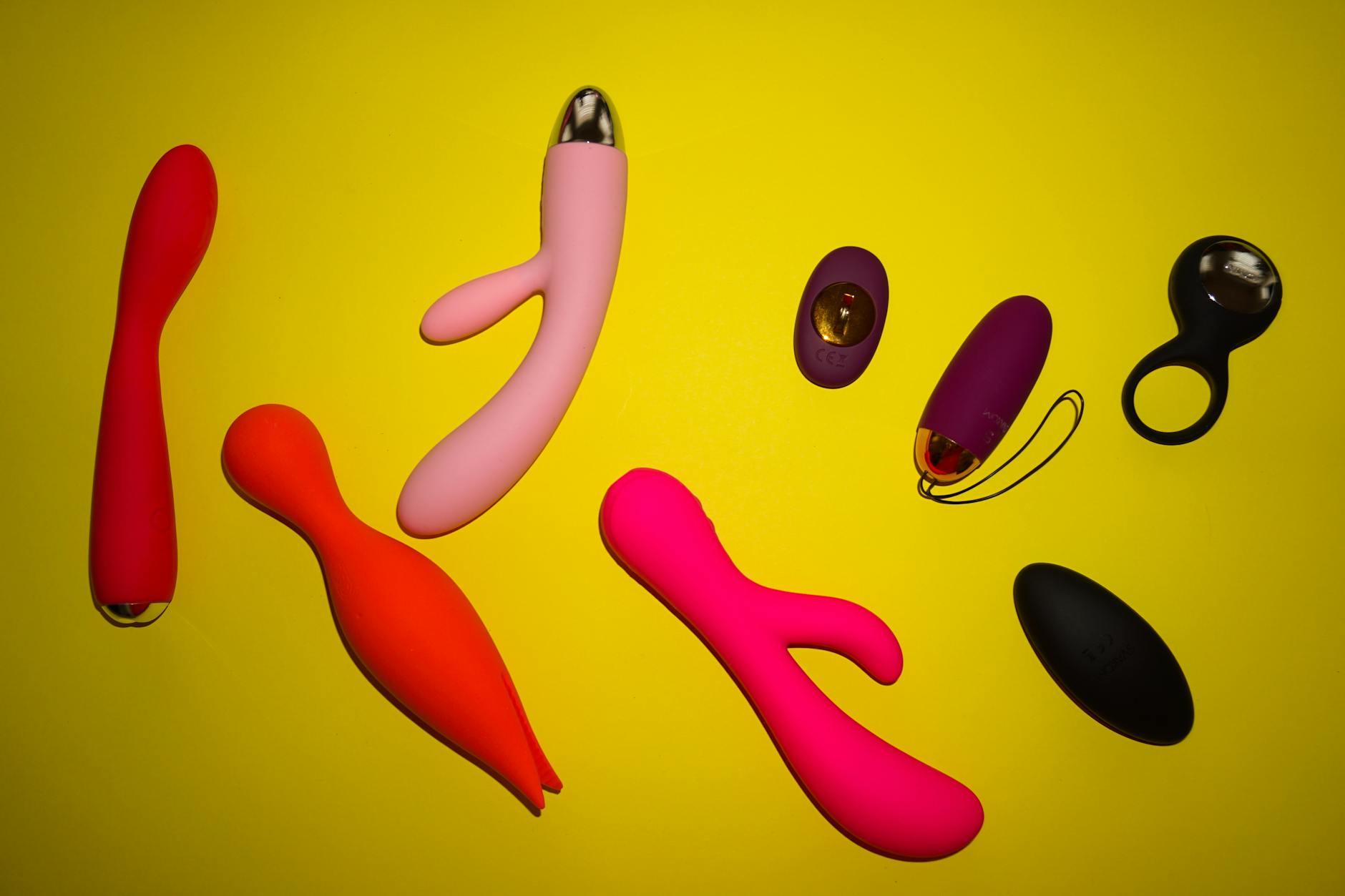
Why Lemon Vibrators Feel Different After Menopause
Let's be honest. Menopause changes how your body responds to a lemon vibrator. It does not, however, end your pleasure. That distinction matters because the narrative around menopause and sex usually swings between two extremes. Either everything goes away and you should accept it, or nothing changes and you're imagining the difference. Both are wrong, and both miss the point entirely.
Here's what actually happens when estrogen drops, why your lemon clitoral vibrator might feel different than it did before, and the specific adjustments that can restore or even deepen your experience.
What Menopause Actually Does to Sensation
When estrogen declines, vaginal and vulvar tissue becomes thinner and less elastic. This is genitourinary syndrome of menopause (GSM), and it's not a defect. It's a physiological shift. The tissue that surrounds your clitoris gets less hydration, and the layers beneath lose some structural support.
But here's the part nobody emphasizes enough: the nerve pathways for pleasure don't change. Your clitoris has roughly 8,000 nerve endings. Menopause doesn't erase them. It doesn't rewire them. The architecture of arousal in your brain remains intact.
When you use a lemon vibrator after menopause, what you're noticing is not a loss of capacity. It's a change in how stimulation travels through tissue that's temporarily different. And temporary matters because this can be managed.
Why a Lemon Vibrator Might Feel Less Intense
Three things shift simultaneously:
Tissue thickness changes the transmission of vibration. A lemon vibrator works by creating targeted patterns of stimulation. Thinner tissue can feel overstimulated by the same pattern that felt perfect five years ago. Or the vibration might feel less concentrated because the tissue has less density to transmit it clearly. Both are common. Neither means your body is broken.
Arousal takes longer to build. This is separate from menopause, though they often happen together. The entire process of sexual response shifts when hormones change. What used to take five minutes might take fifteen or twenty. This is frustrating, but it's also an invitation to expand how you explore pleasure, not a sign it's disappearing.
Lubrication shifts, which affects how the toy feels. Natural lubrication decreases with menopause, independent of arousal. This means the friction and glide of a lemon clitoral vibrator can feel different. Some people experience this as less comfortable. Others find that they need external lubrication to experience the same sensation they did before.
These three shifts are real. They're also completely workable.
The Lubrication Question
Honestly, if you weren't using lubricant before menopause, this is the moment to start. Water-based lubricant is your friend here. It won't damage your lemon vibrator or any silicone toys, and it makes a tangible difference in how the stimulation feels.
Apply lubricant to the toy and to your vulva before you start. Wait. It seems obvious, but many people assume if they're using it, they're using it right. Let it sit for a moment. Let your tissue absorb it.
Silicone-based lubricant feels richer and lasts longer, but it can degrade silicone toys over time. Stick with water-based if you're using any silicone product. And if you find water-based dries too quickly, you can layer it. Apply, let it absorb, apply again.
Adjusting How You Use Your Lemon Vibrator
The lem vibrator and other lemon sexual toys have multiple intensity settings for exactly this reason. If the settings that worked before feel too intense now, shift down. Start at setting one or two instead of jumping to where you used to.
This isn't a step backward. It's information. Your body is telling you what it needs right now.
Take more time warming up. Spend ten to fifteen minutes on external stimulation before introducing your lemon clitoral vibrator. This gives arousal time to build naturally, which helps tissue prepare for stimulation.
Consider changing the pattern, not just the intensity. Many lemon vibrators and clitoral vibrators have multiple patterns. If your usual pattern feels overwhelming, try something else. Sometimes a gentler or more varied pattern will register as more pleasurable when tissue is thinner.
When to Bring a Partner Into This Conversation
If you share this experience with a partner, separate two conversations. One is about what's happening to your body. The other is about desire and connection. Menopause can change sensation. It can also be bundled with a thousand other midlife stressors.
Don't let your partner assume that a slower arousal or a need for lubrication means you want them less. Make it clear: this is tissue. This is not emotion. This is not about the relationship. Then have the second conversation about whatever else needs discussion.
How to Use a Lemon Vibrator When Intimacy Feels One-Sided in Partnered Sex is worth revisiting if partnership dynamics shift alongside menopause.
The Hormonal Question
If sensation doesn't return with lubrication and adjusted technique, it's worth asking whether estrogen replacement might help. Topical estrogen creams are available and have minimal systemic absorption. They can genuinely restore tissue thickness and vulvovaginal health in weeks.
This is a conversation for a menopause-trained doctor or gynecologist. But it's an option. You don't have to accept diminished sensation as permanent.
Some people also notice that testosterone, which declines with menopause, affects desire and arousal more than sensation itself. Low-dose testosterone therapy is worth discussing with a specialist if desire has completely flatlined.
What Many People Discover After Menopause
Here's something the cultural narrative doesn't mention: many people report their most intense orgasms after menopause, especially when they finally tune out decades of performance anxiety and simply explore what feels good.
The pressure to perform, to come at the right time, to look a certain way during sex. All of it can lift. And when it does, pleasure often deepens. This is not optimism. It's a clinical observation that shows up repeatedly in people's own accounts of their sexual lives.
Why Lemon Vibrators Feel Less Intense After Stopping Hormonal Birth Control covers similar adjustment territory, though from a different hormonal angle.
Menopause is not an ending. It's a recalibration. And recalibration often brings clarity.
Small Tweaks That Matter
Invest in quality lubricant. Start with lower intensity settings. Take your time. Be patient with your body's new timeline. Consider topical estrogen if lubrication alone doesn't restore what you want. Use lemon sexual toys as a tool for exploration, not performance.
The lem vibrator and other clitoral vibrators aren't less effective after menopause. You're simply using them with a body that's in a different phase. That's not a problem to solve. It's information to work with.
People Also Ask
Does menopause permanently change how vibrators feel?
No. Menopause changes tissue, but tissue is dynamic. Topical estrogen, systemic hormone therapy, or simply consistent use of lubricant can restore sensation. Even without intervention, the body often adapts. What feels different in year one of menopause might feel less different by year two or three.
Should I use a different type of toy after menopause?
Not necessarily. If your lemon vibrator worked before, it can work after. You're adjusting how you use it, not replacing it. That said, if you want to explore, suction toys can feel different on post-menopausal tissue because they work via suction rather than direct vibration friction. Some people find they're gentler. It's worth trying, but it's not mandatory.
Is it normal for arousal to take longer after menopause?
Completely normal. Arousal is partly neurological and partly hormonal. When hormones shift, the timeline shifts. This is not weakness or dysfunction. It's a change. You budget more time, and the experience is often richer because of it.
Can I use the same lubricant with all my toys?
Water-based lubricant is safe with everything. Silicone-based lubricant can degrade silicone toys, so if you use silicone products, stick with water-based. Oil-based lubricants should be avoided if you use latex or certain toy materials. Stick with water-based and you'll never have to think about compatibility.
What if topical estrogen doesn't help?
If topical estrogen doesn't restore sensation after several weeks, or if you try it and don't see improvement, talk to your doctor about systemic hormone therapy. It's not right for everyone, but for some people, it's genuinely transformative. And if hormones aren't the answer, sometimes it's just about giving yourself permission to find pleasure at a different pace.
Should I tell my partner about these changes?
Yes, if you have a partner. Make it simple and factual: "My body is responding differently, and I need more time and lubrication." That's it. Then ask for what you need. If your partner is mature, they'll adapt. If they push back or shame you, that's a separate problem that deserves attention beyond this conversation.
The Bottom Line
Menopause changes how your body works with a lemon vibrator. It doesn't change your right to pleasure or your capacity for it. Small adjustments to technique, timing, and lubrication often restore the intensity you remember. If they don't, medical options exist. You're not stuck. You're in transition. And transition, when you meet it with honesty and patience, often leads somewhere good.
Your pleasure matters. After menopause, it matters exactly as much as it always did. Act accordingly.